
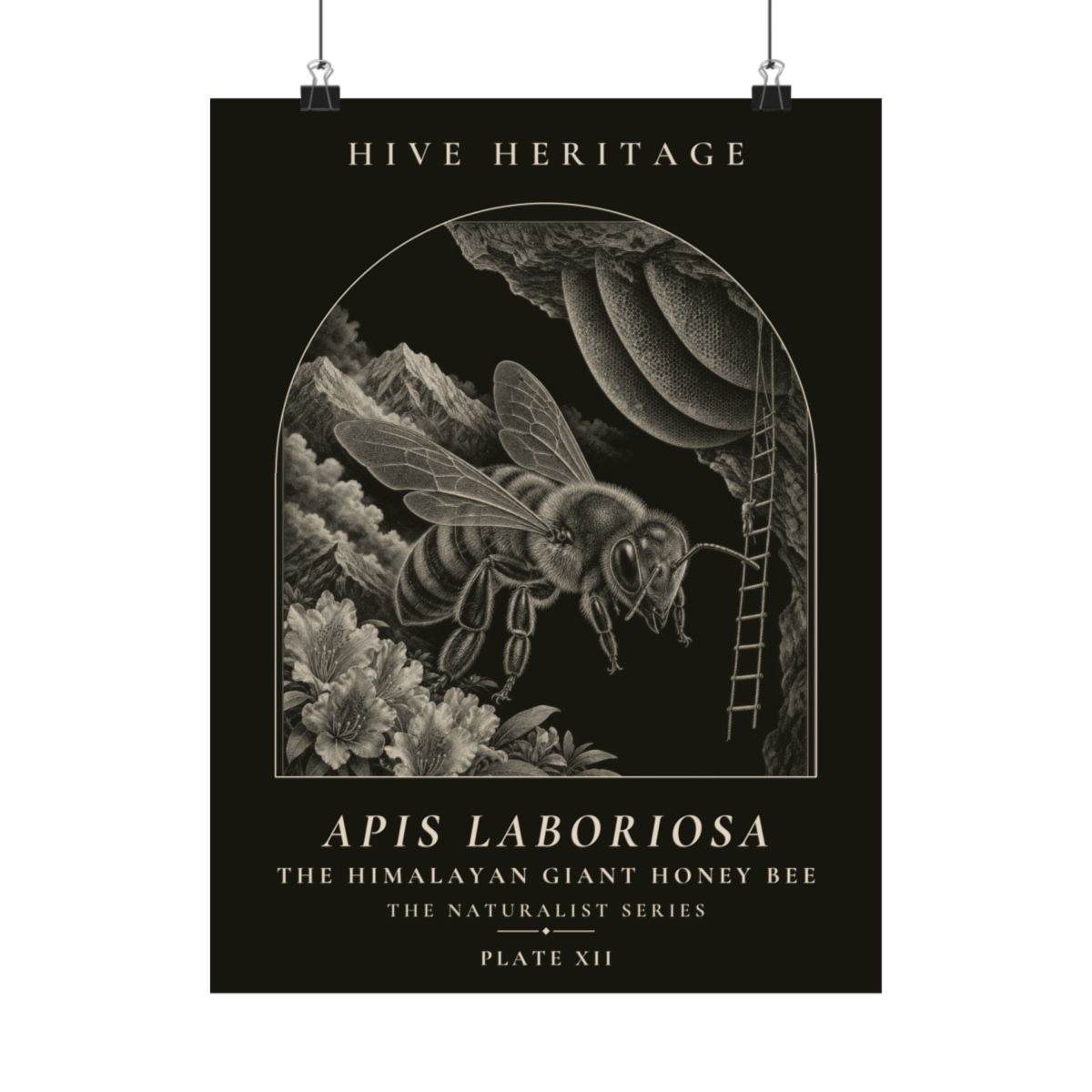
Apis laboriosa is the largest honey bee in the world, and it builds a single open comb on Himalayan cliff faces rather than in a hollow. Here is what is actually known about how it lives, and how it differs from the bee in a British hive.
Read more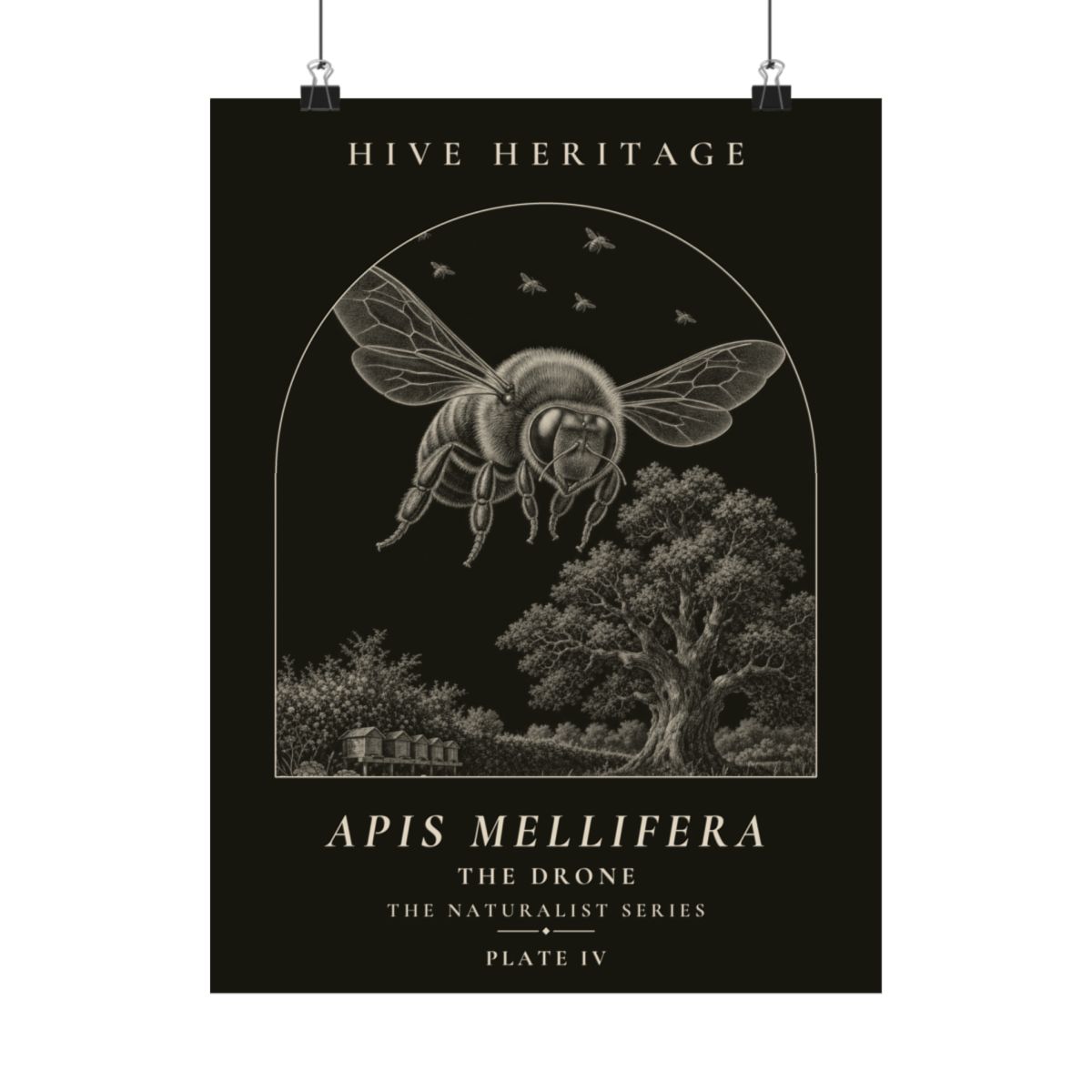
The Drone: The Honey Bee Colony’s Male, Explained
The drone has a mother but no father, cannot sting, and does one job for the whole colony. Here is what beekeepers have learned about him, from his odd beginnings to his autumn eviction.
Read more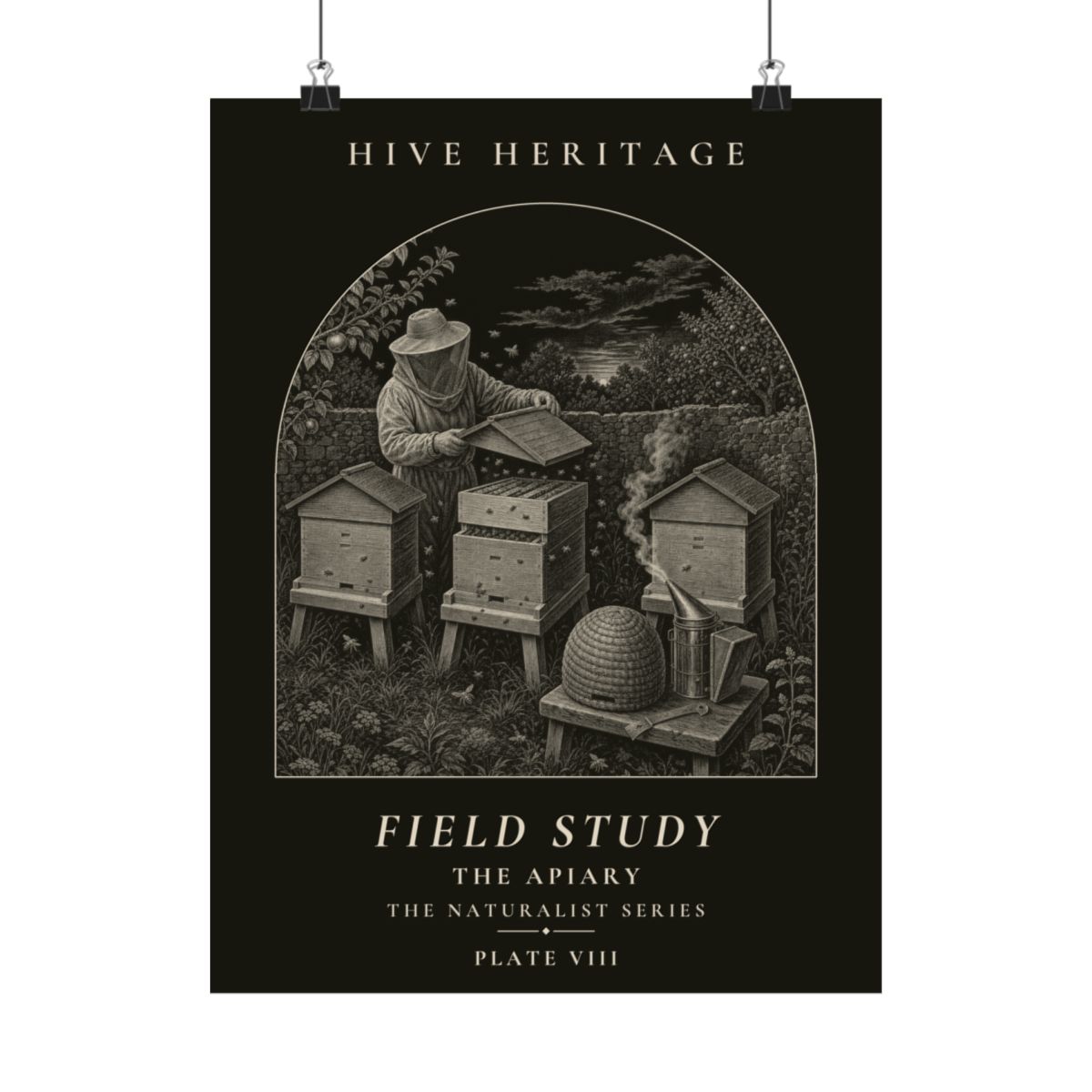
How the Bee Yard Was Sited and Laid Out
Before the modern white hive, bees lived in walls, on benches and under straw caps. We look at how the apiary was sited, sheltered and arranged, and why the old rules still hold.
Read more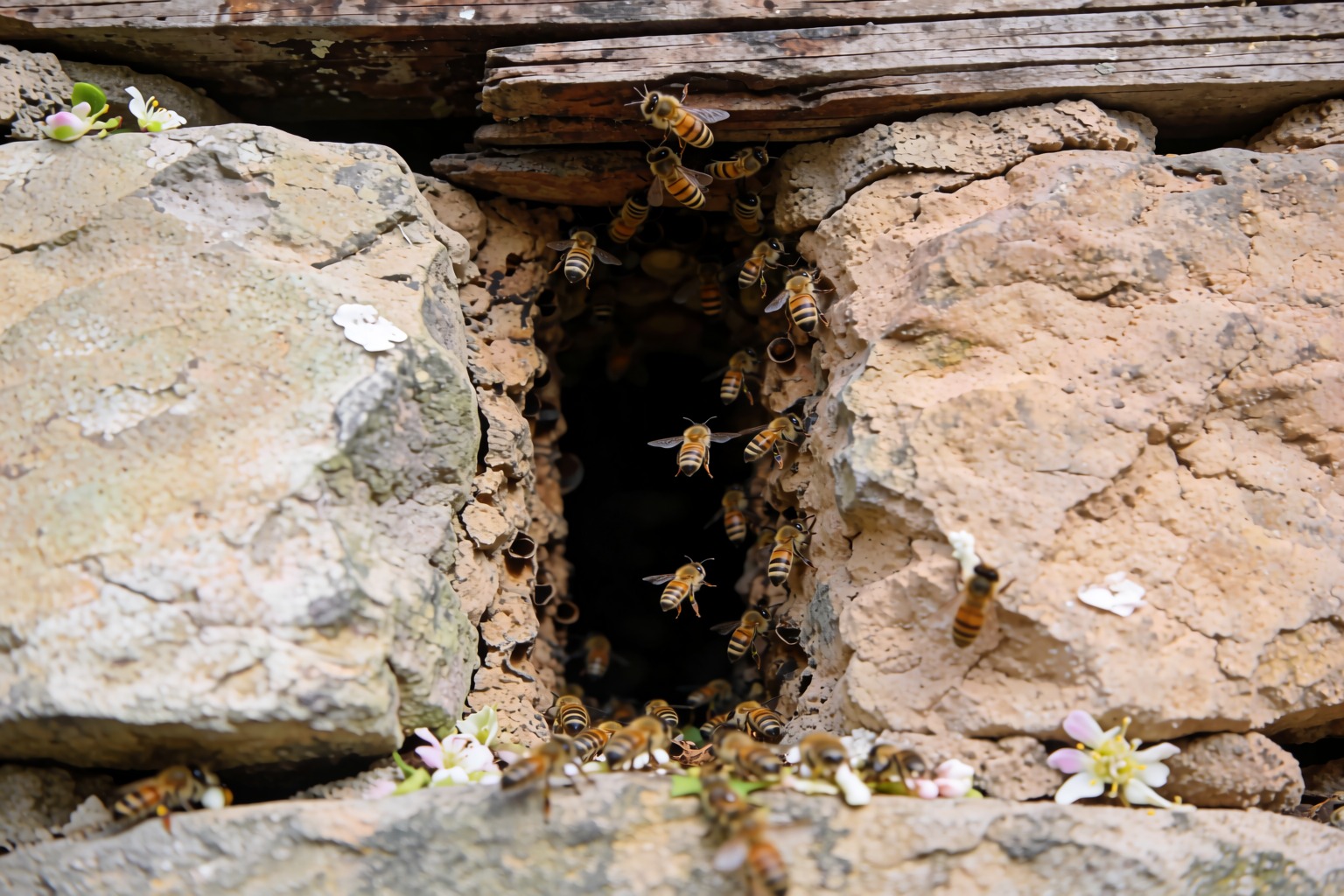
The Eastern Honey Bee and How It Lives
Apis cerana is the honey bee of Asia, a cavity nester with its own ways of building, dancing and defending. Here is its natural history, and how it differs from the western honey bee we know best.
Read more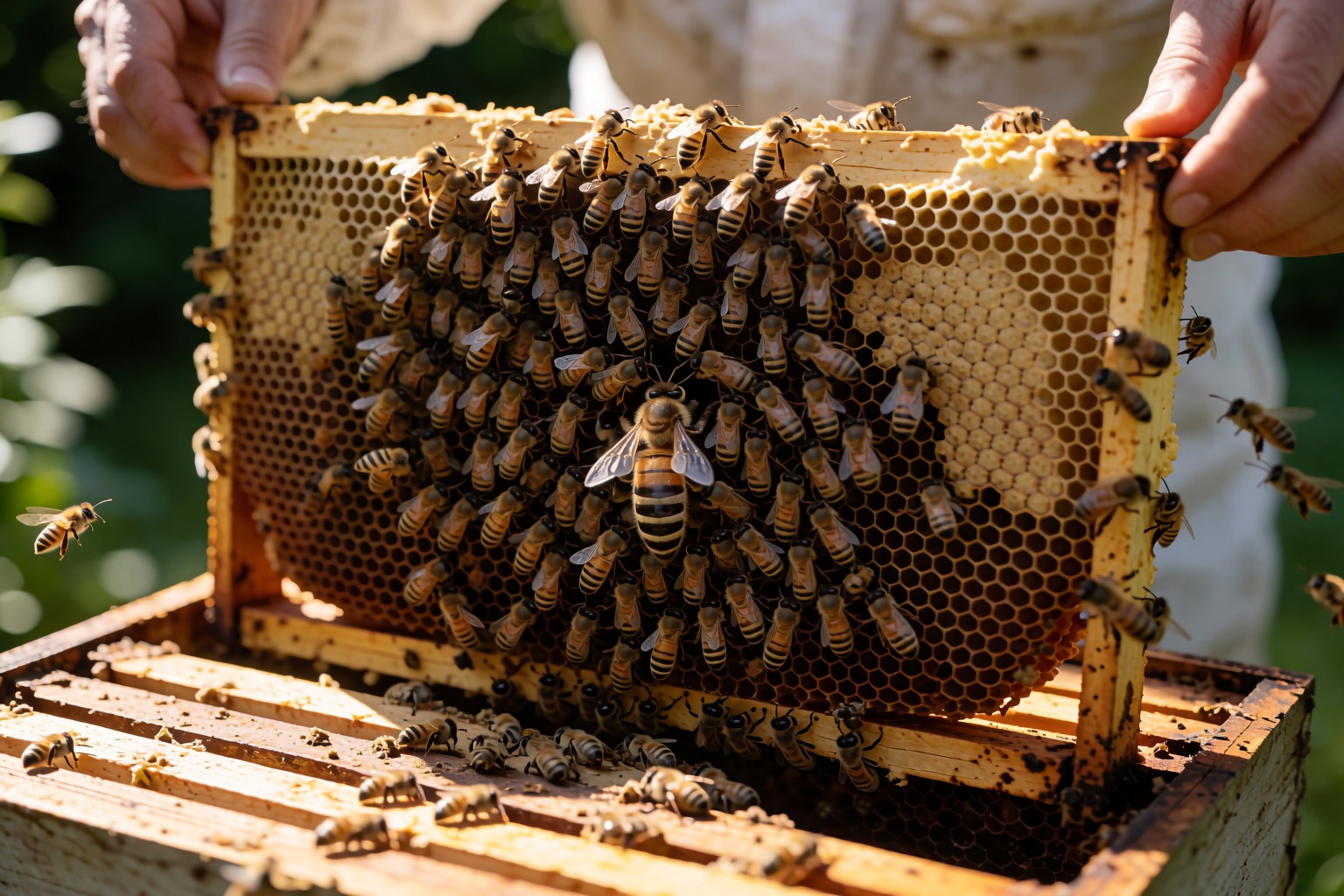
The Honey Bee Queen and What She Really Does
She is the only fertile female in a colony of tens of thousands, yet she rules nothing. Here is the natural history of the honey bee queen, from a sixteen day start to a year spent laying.
Read more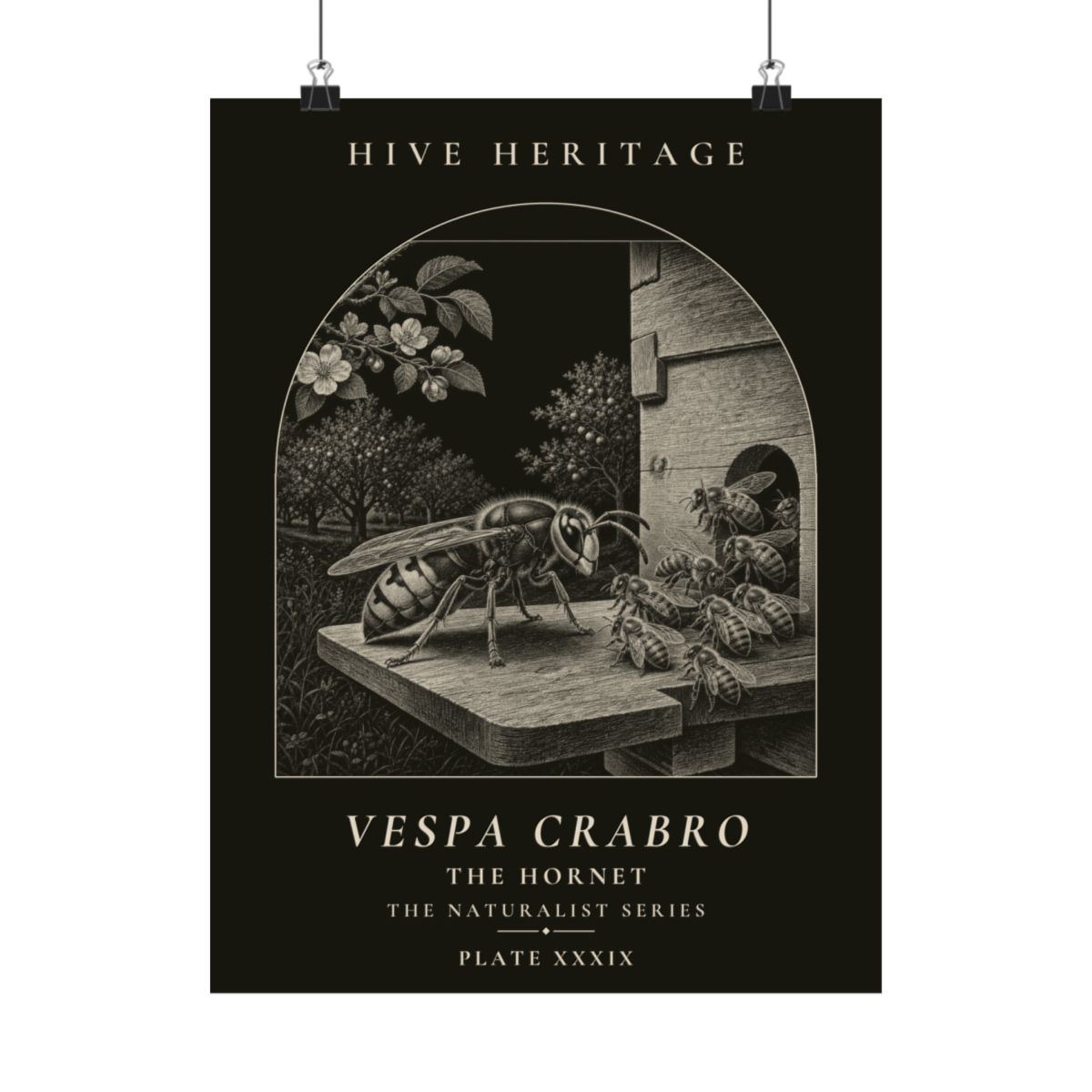
The Hornet, the Honey Bee and What Beekeepers Really See
Two very different insects share the name hornet in a beekeeper’s year: a big, mostly gentle native, and a smaller invader that hunts at the hive door. Here is what each really does, and how bees and beekeepers respond.
Read more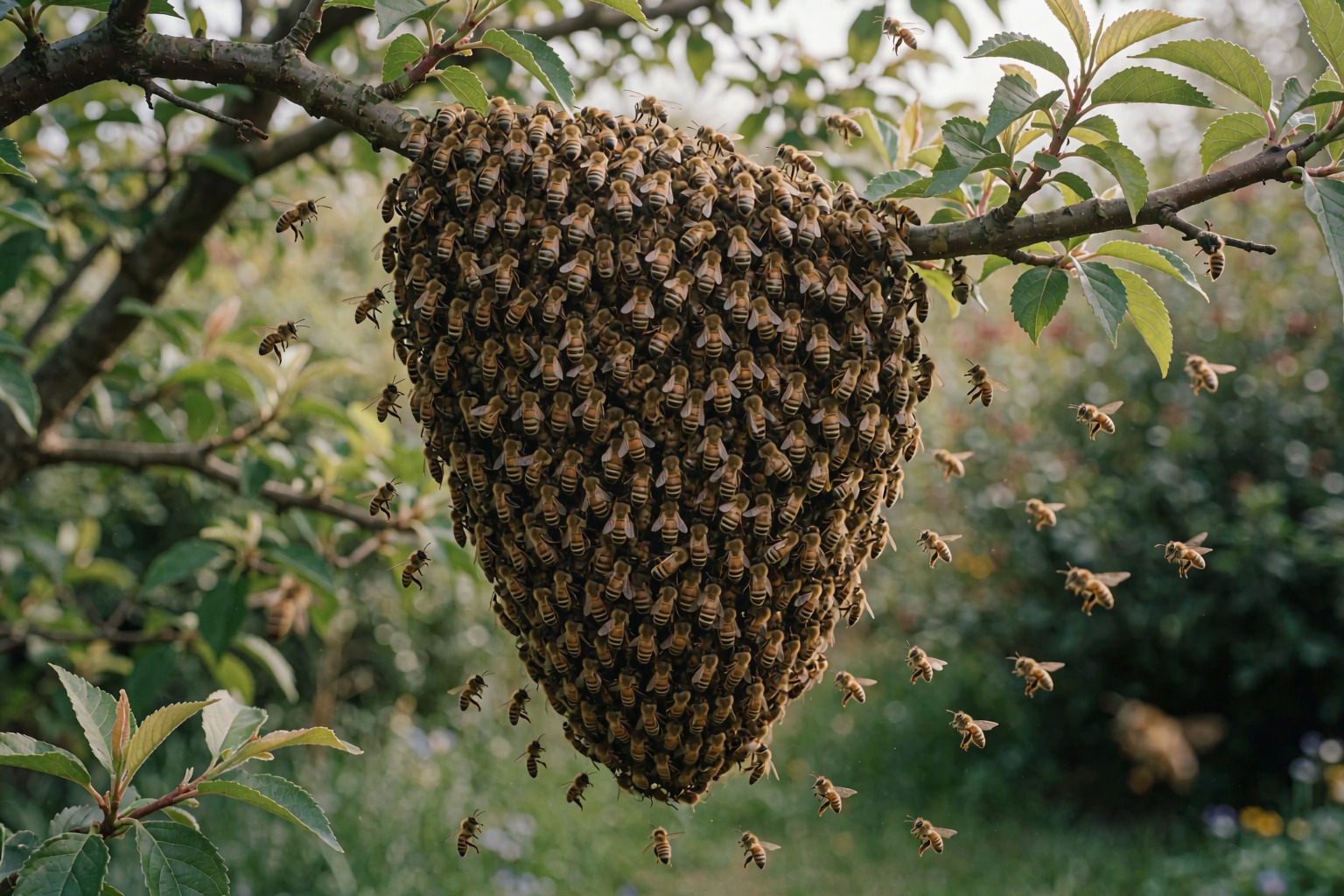
How a Honey Bee Colony Swarms, and Why It Does
A swarm is not a colony in trouble. It is a colony reproducing, and the story behind it runs from queen cells in the brood nest to a cluster on a branch choosing its next home.
Read more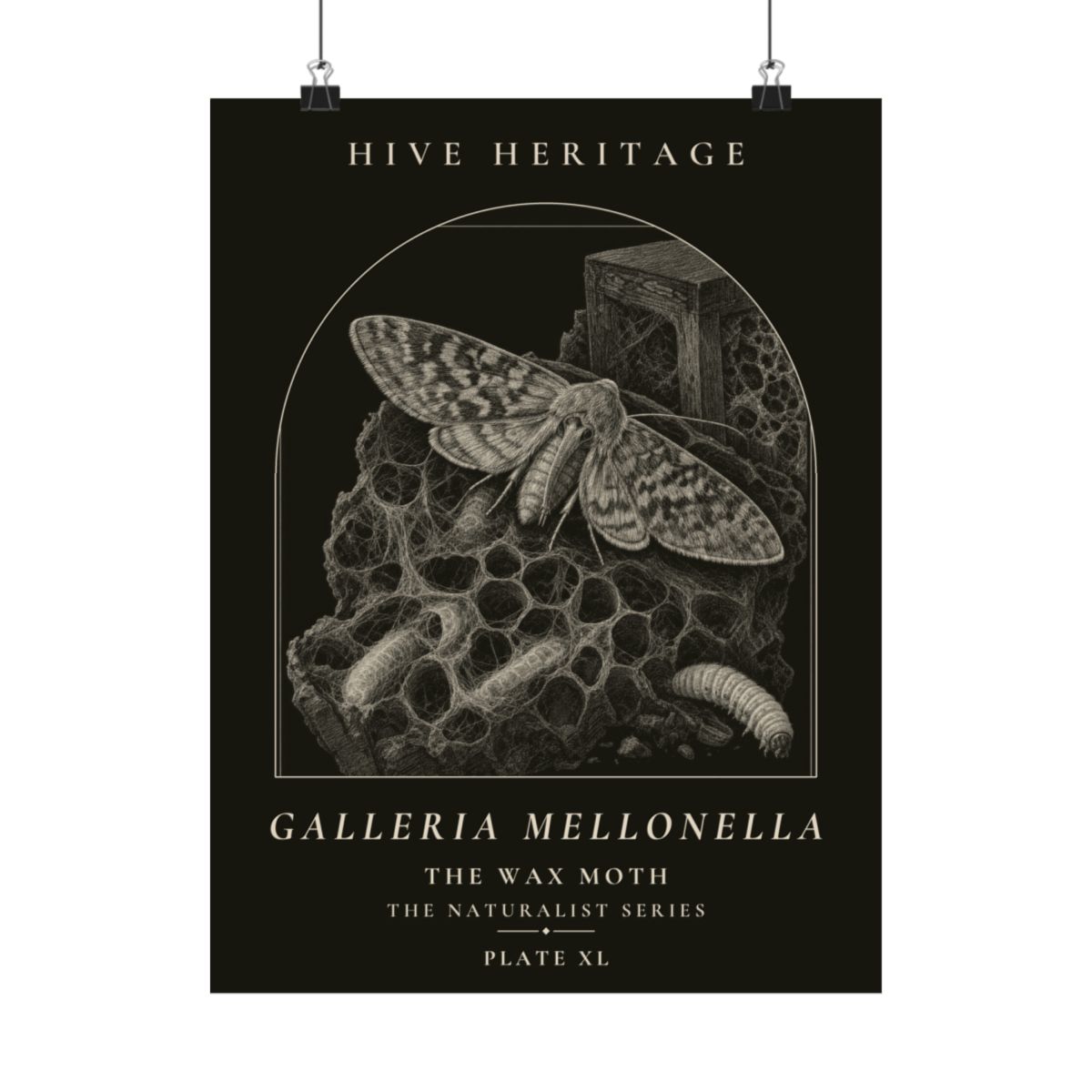
The Wax Moth and the Honey Bee Colony
The wax moth is often described as a villain of the hive, but its real story is quieter and more interesting. Here is what it is, where it lives, and how bees and beekeepers live alongside it.
Read more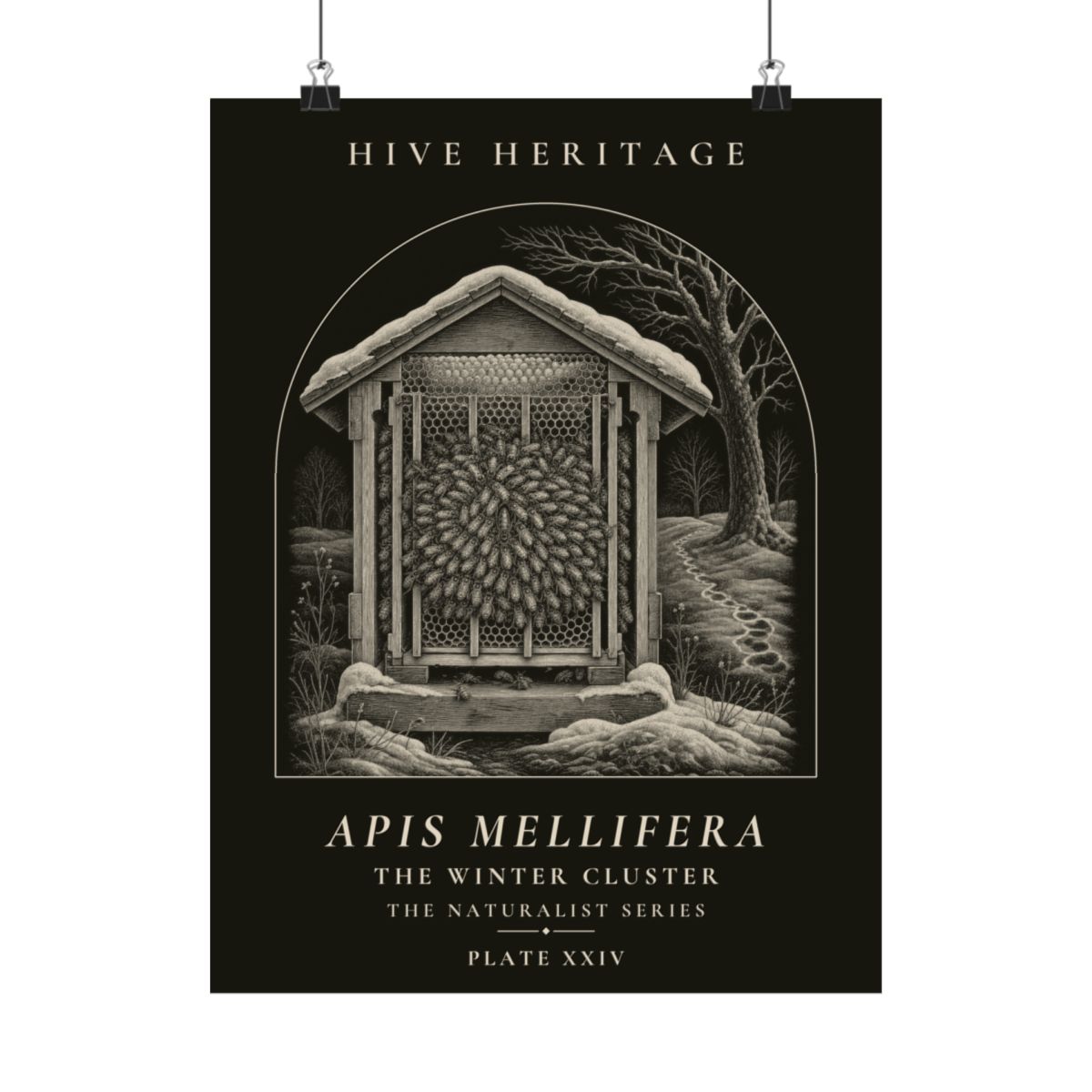
How Honey Bees Get Through Winter in a Cluster
A honey bee colony does not hibernate. It draws into a living, shivering ball and burns its own stores to stay warm, and a beekeeper reads the story from outside the box.
Read more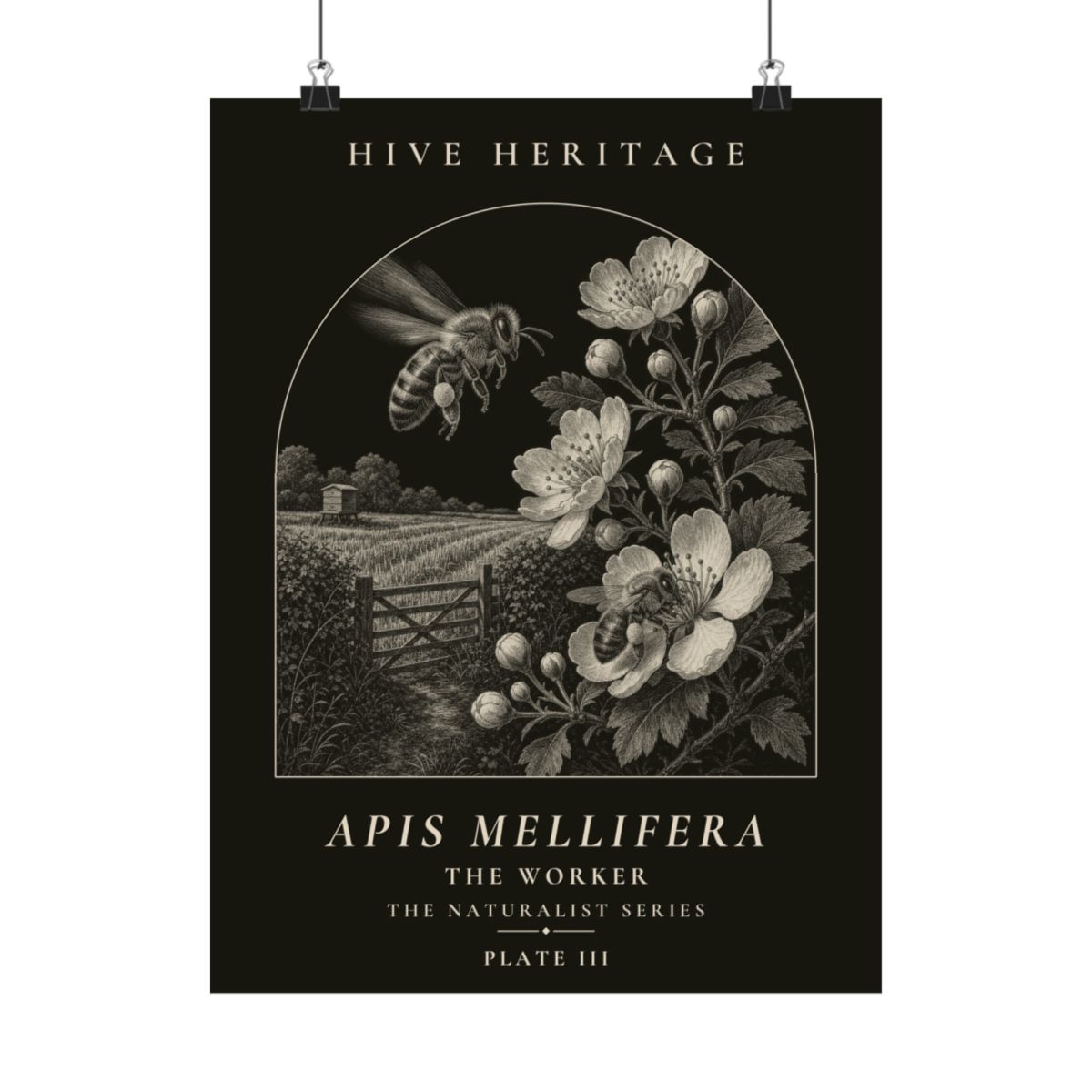
The Worker: the bee that runs the whole colony
Nearly every bee you see on a flower is a worker, and her life is a sequence of jobs that no other bee in the colony does. This is the natural history behind the plate.
Read more