
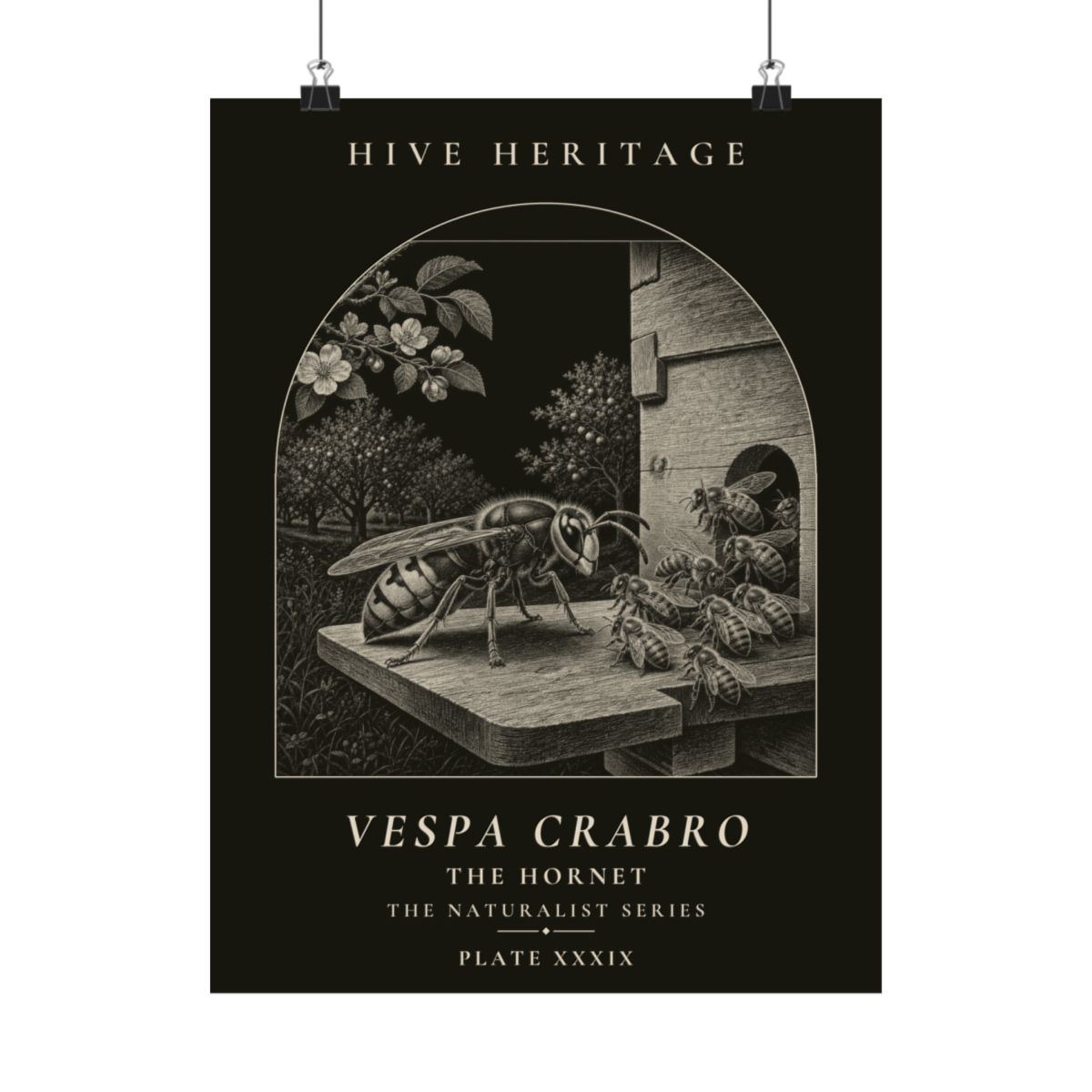
Two very different insects share the name hornet in a beekeeper’s year: a big, mostly gentle native, and a smaller invader that hunts at the hive door. Here is what each really does, and how bees and beekeepers respond.
Read more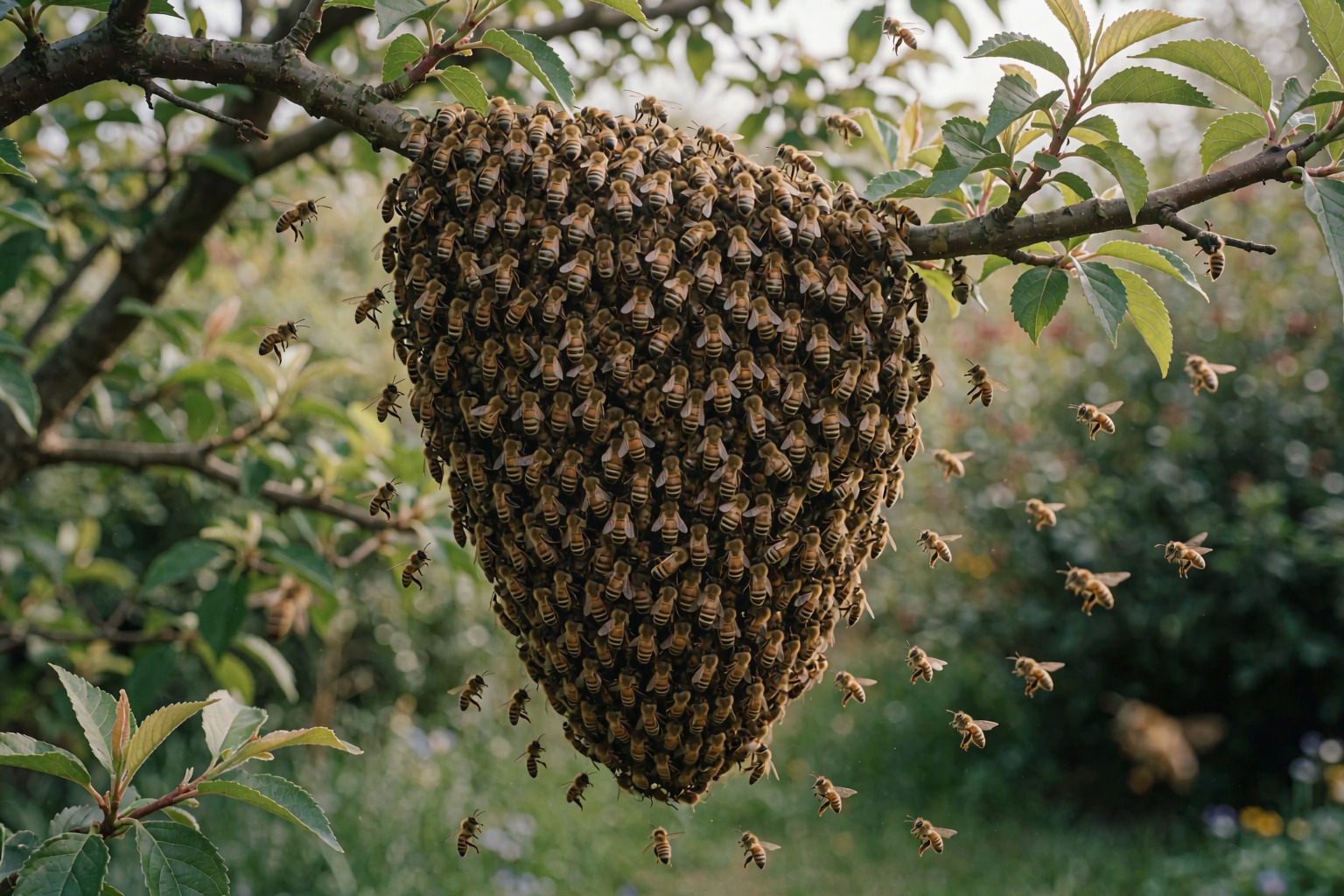
How a Honey Bee Colony Swarms, and Why It Does
A swarm is not a colony in trouble. It is a colony reproducing, and the story behind it runs from queen cells in the brood nest to a cluster on a branch choosing its next home.
Read more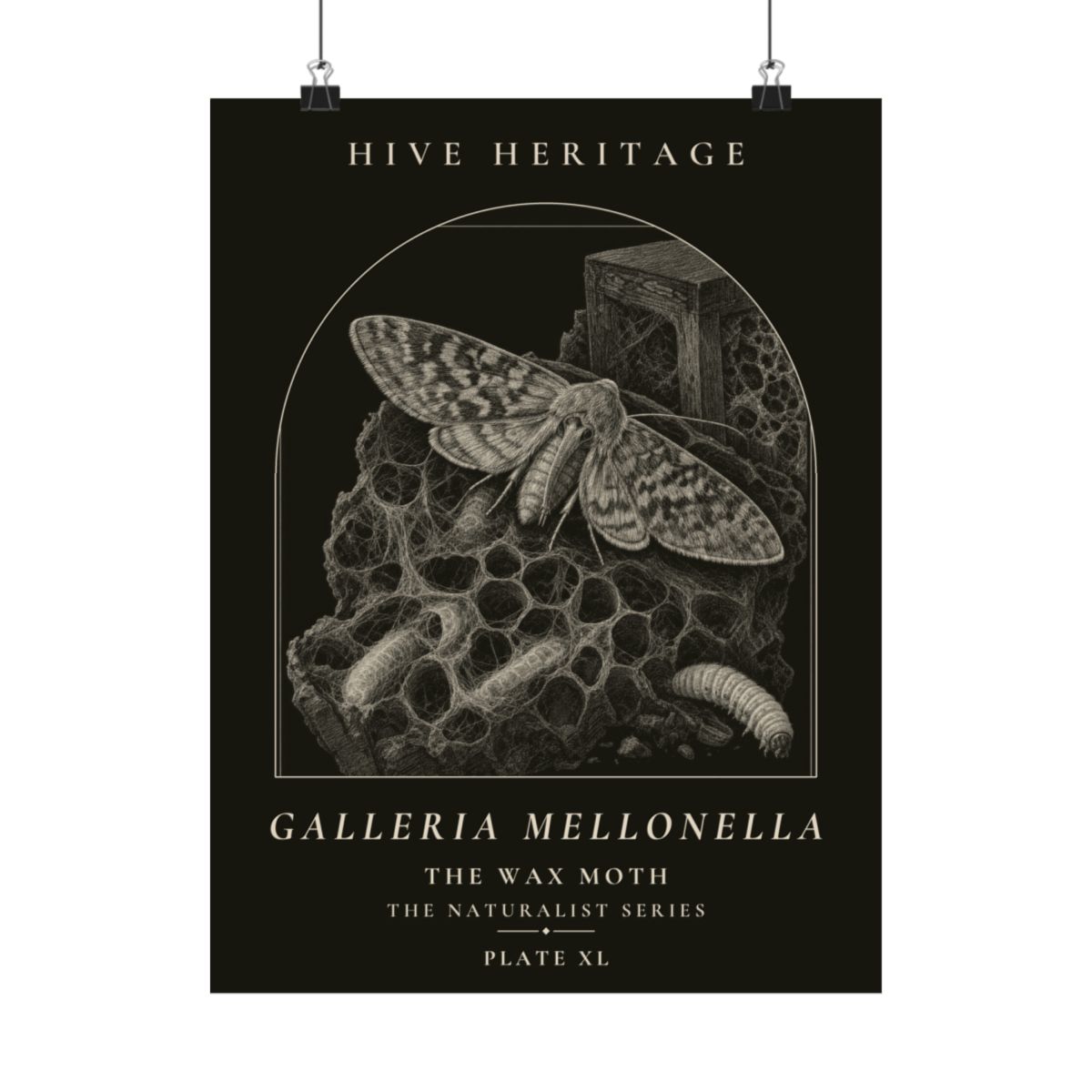
The Wax Moth and the Honey Bee Colony
The wax moth is often described as a villain of the hive, but its real story is quieter and more interesting. Here is what it is, where it lives, and how bees and beekeepers live alongside it.
Read more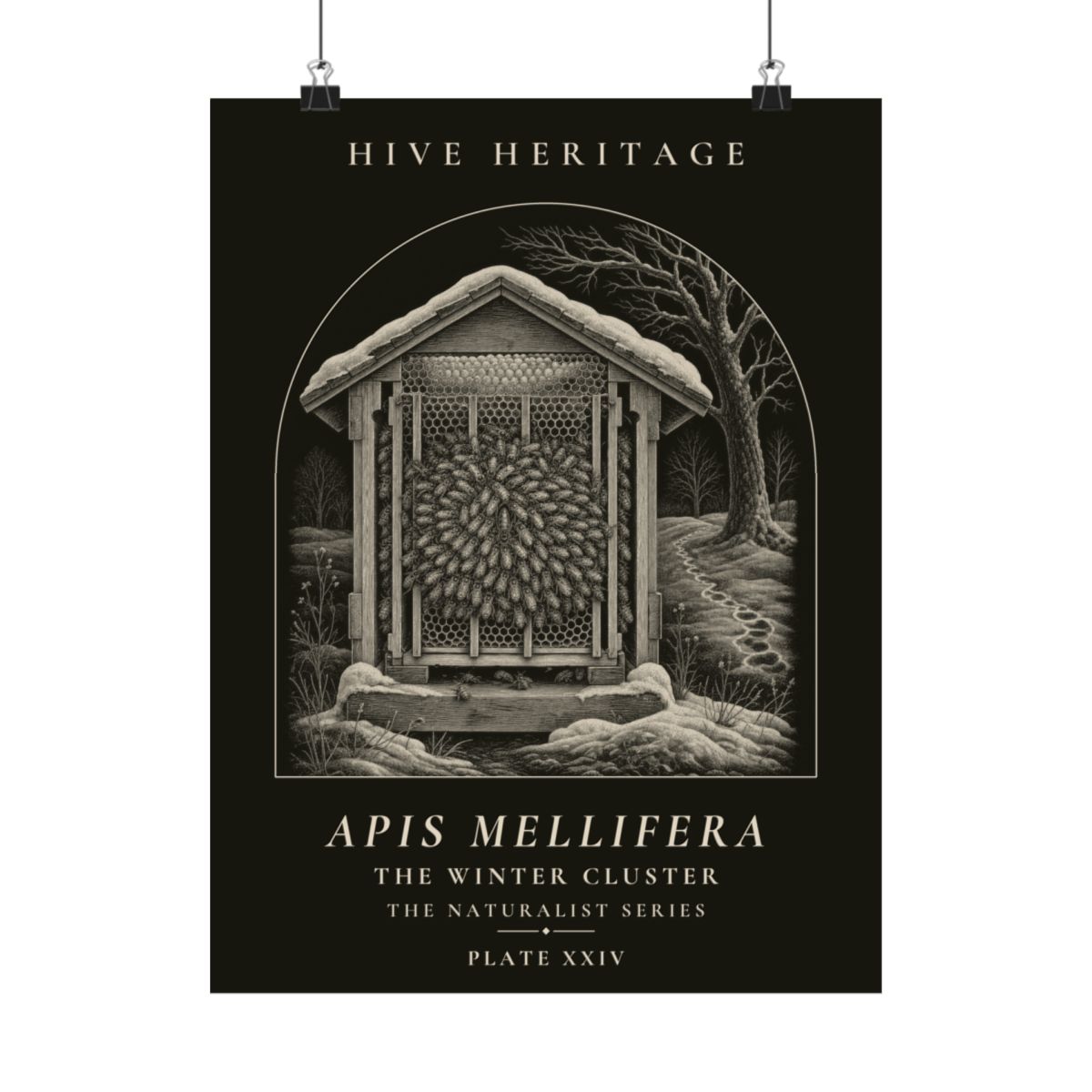
How Honey Bees Get Through Winter in a Cluster
A honey bee colony does not hibernate. It draws into a living, shivering ball and burns its own stores to stay warm, and a beekeeper reads the story from outside the box.
Read more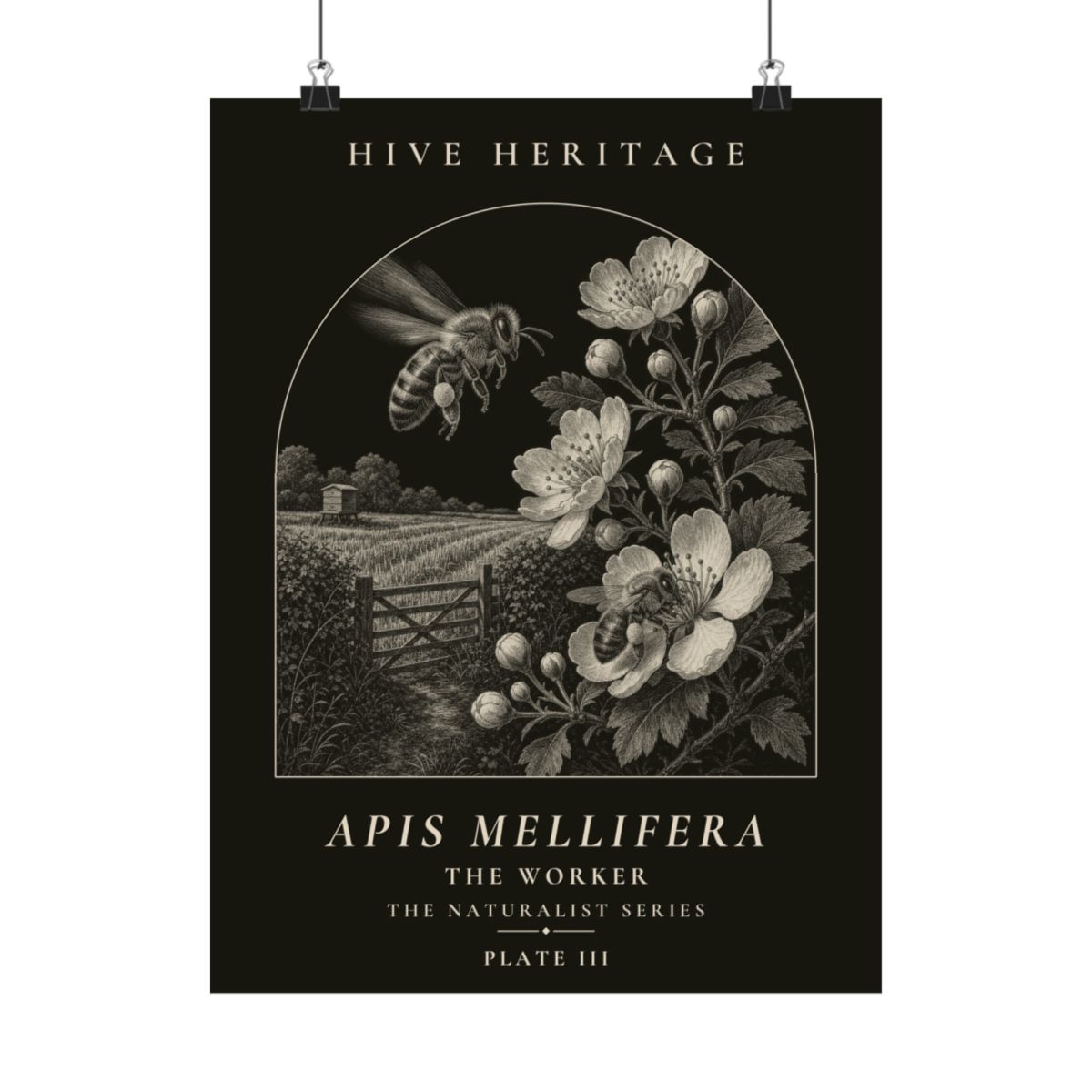
The Worker: the bee that runs the whole colony
Nearly every bee you see on a flower is a worker, and her life is a sequence of jobs that no other bee in the colony does. This is the natural history behind the plate.
Read more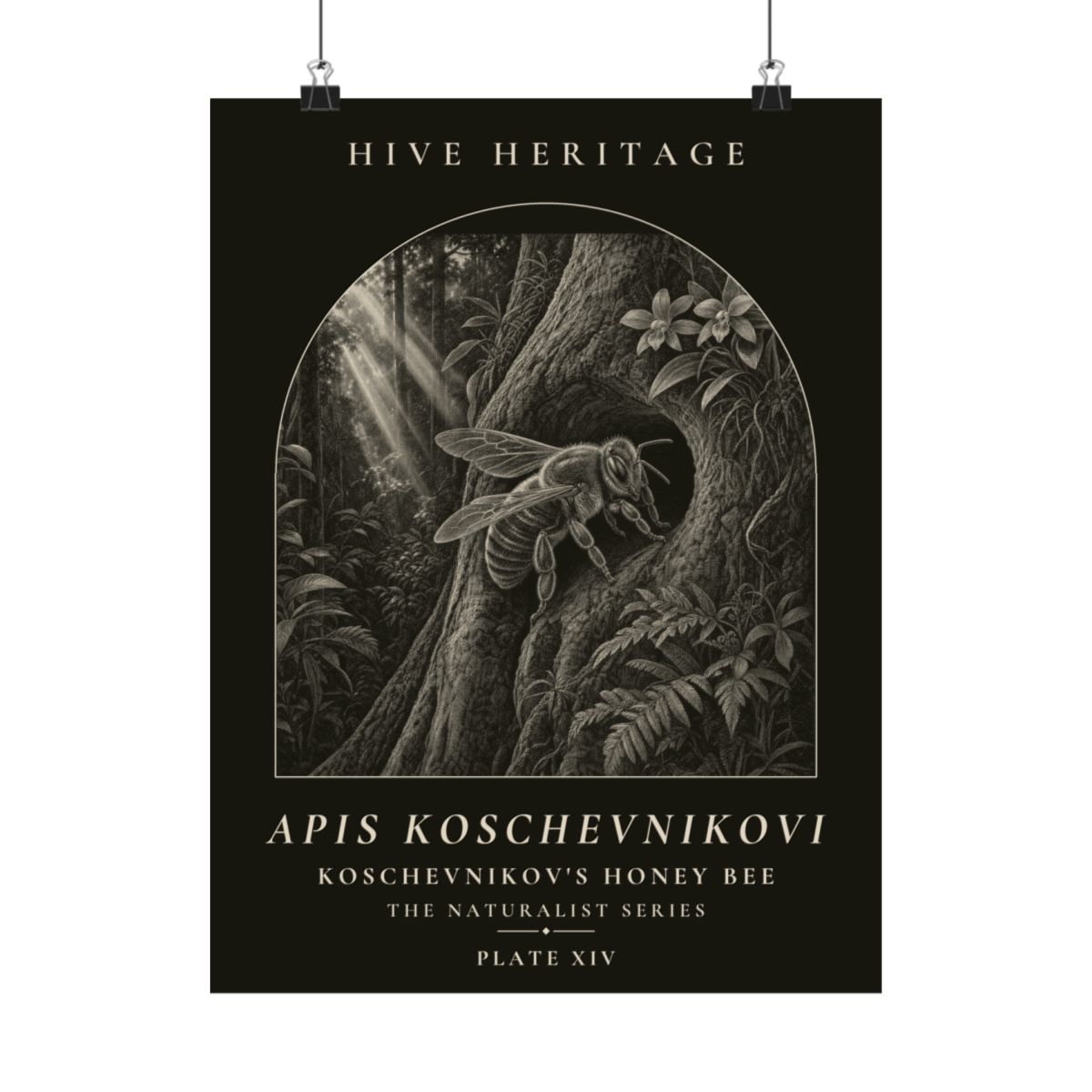
Koschevnikov’s Honey Bee and Its Borneo Forest Home
Koschevnikov’s honey bee, Apis koschevnikovi, is a reddish cavity-nesting bee of the forests of Borneo, Sumatra and the Malay Peninsula. Here is what is known about how it lives, how it differs from the western honey bee, and why beekeepers rarely meet it.
Read more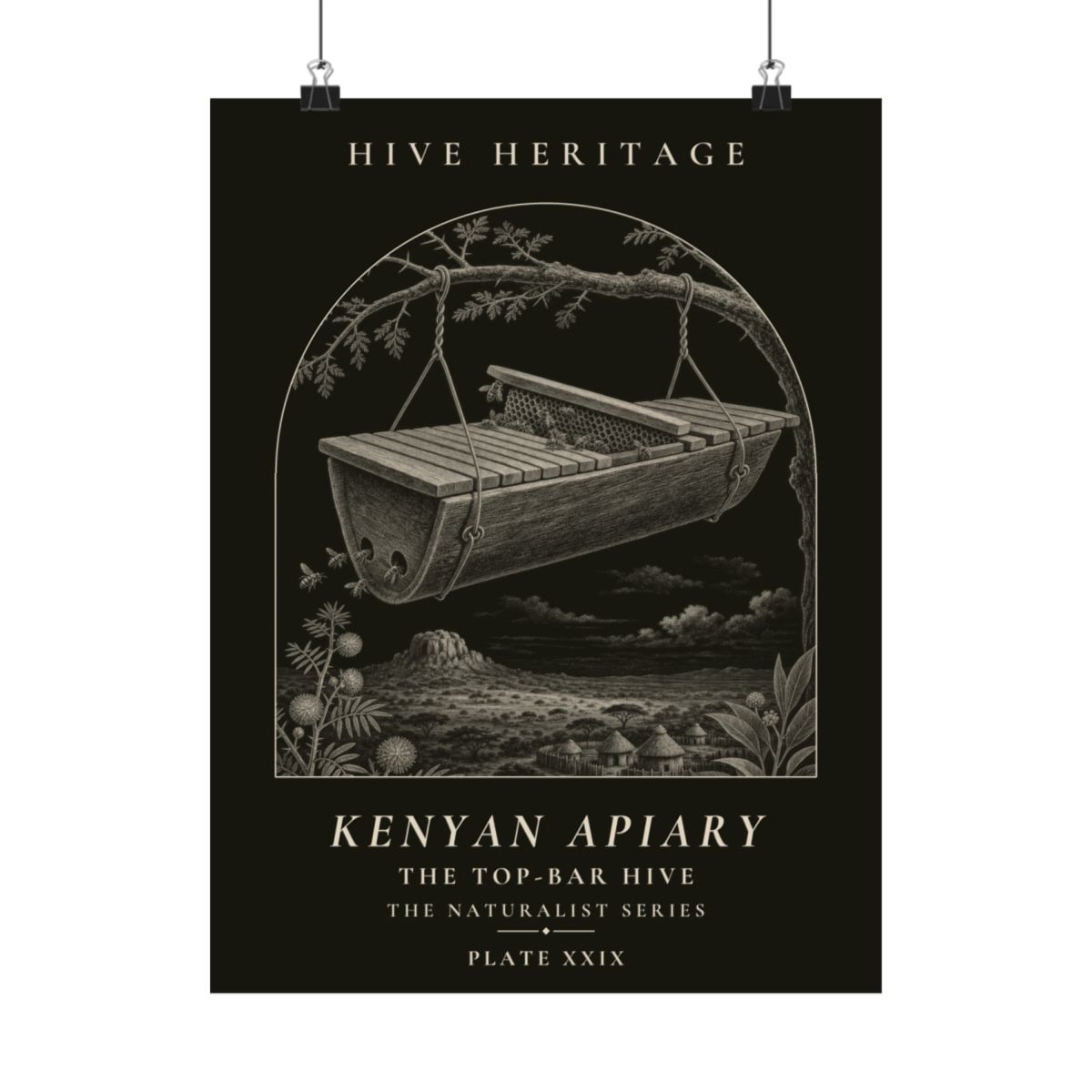
How the Top-Bar Hive Lets Bees Build Their Own Comb
A top-bar hive is a long box with a row of wooden bars across the top and no frames at all. Here is where the idea came from, how it works, and what it asks of the beekeeper.
Read more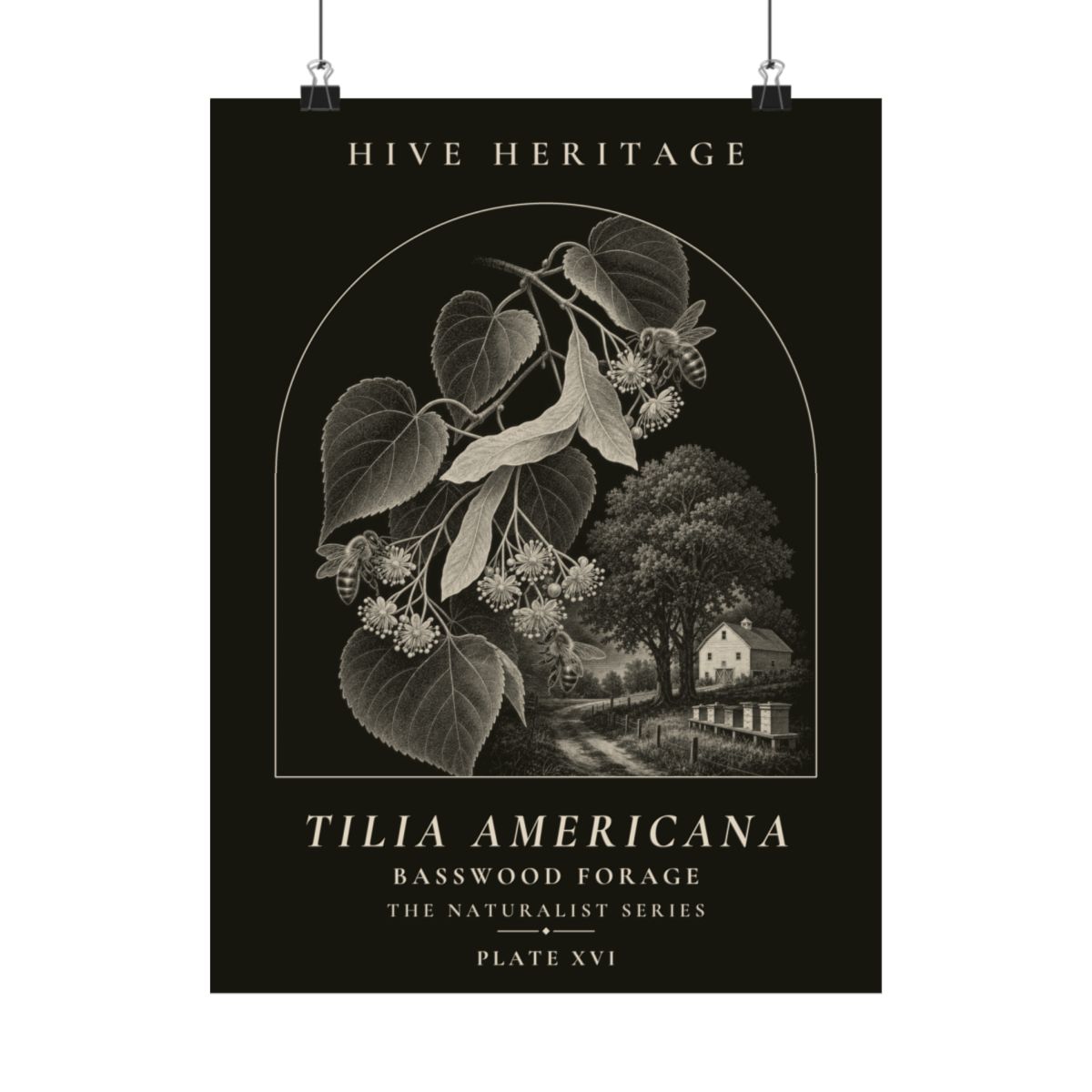
Basswood, the Summer Tree Bees Wait For
Basswood, or American linden, flowers for only a short spell in early summer, yet beekeepers have long watched for it. Here is where it grows, what it offers bees, and why we drew it.
Read more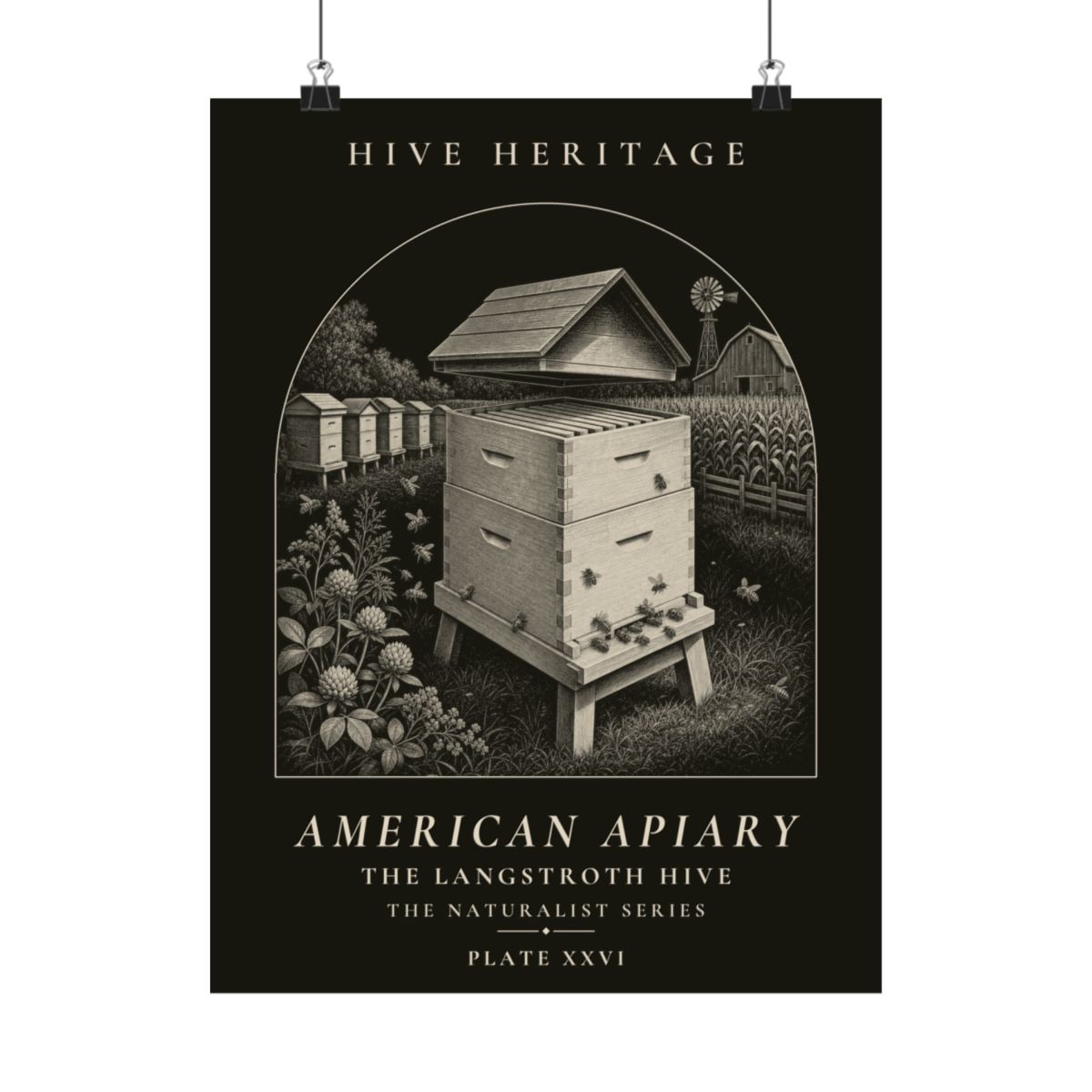
The Langstroth Hive and the Discovery of Bee Space
A Philadelphia-born clergyman noticed that bees leave a small, consistent gap and built a hive around it. Here is how the Langstroth hive works, who came before it, and what it changed.
Read more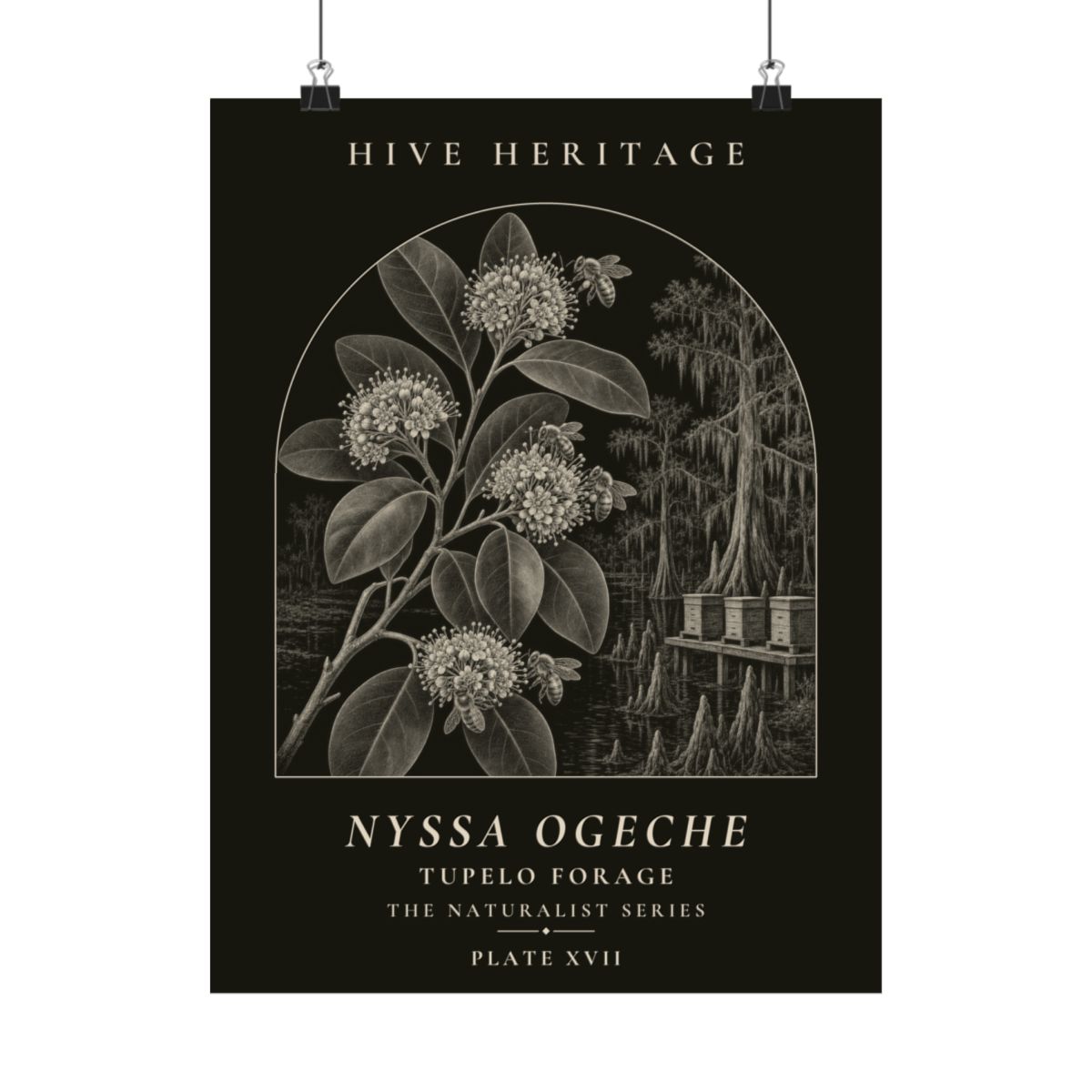
Tupelo Forage: The Swamp Tree Behind a Famous Honey
Tupelo is a modest swamp tree of the south-eastern United States, and its short spring flowering gives one of the most distinctive honeys beekeepers make. Here is where it grows, when it flowers, and how beekeepers have worked around it.
Read more