
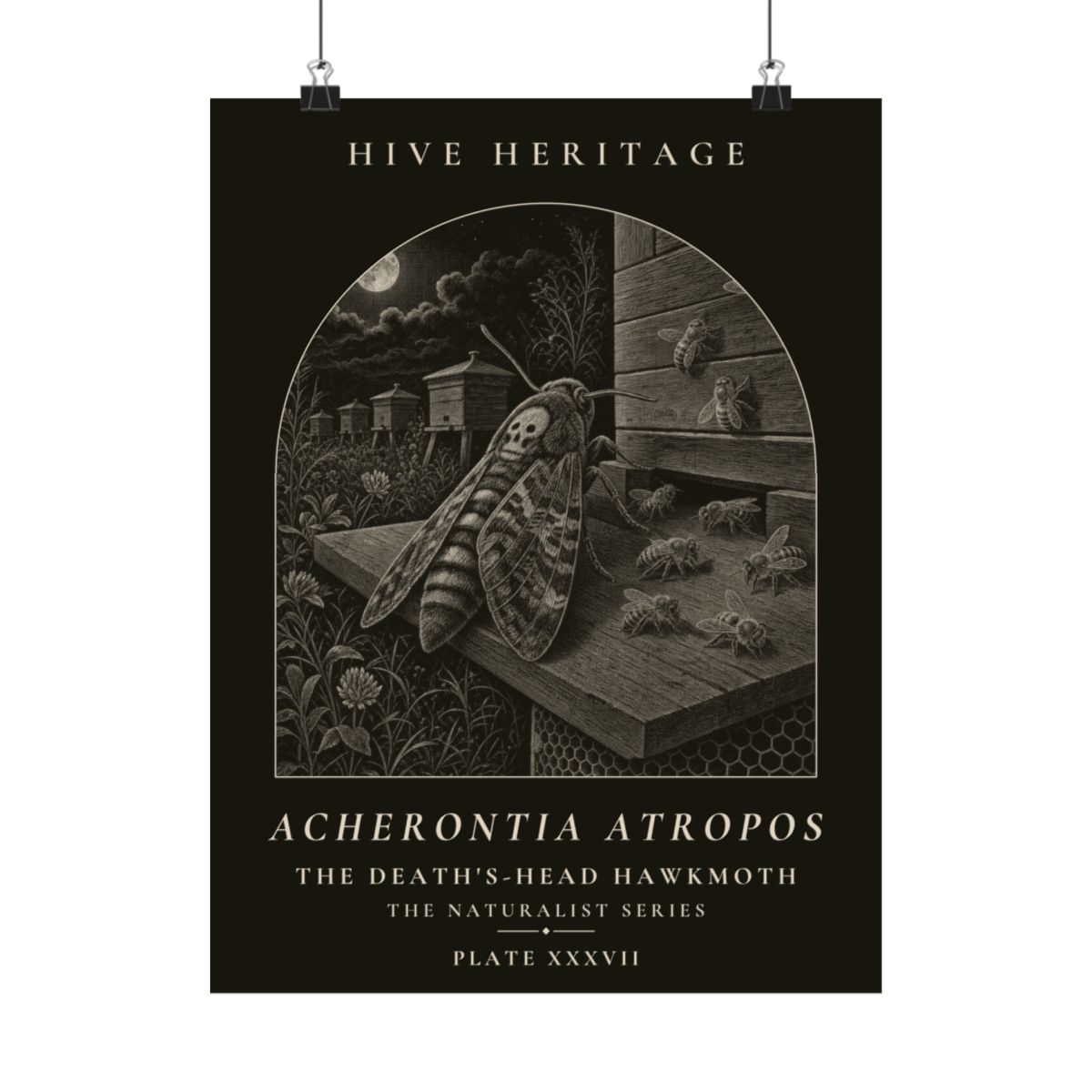
A large migrant moth with a skull-like mark on its back, known for slipping into hives to take honey. Here is what it is, where it turns up, and how bees and beekeepers cope with it.
Read more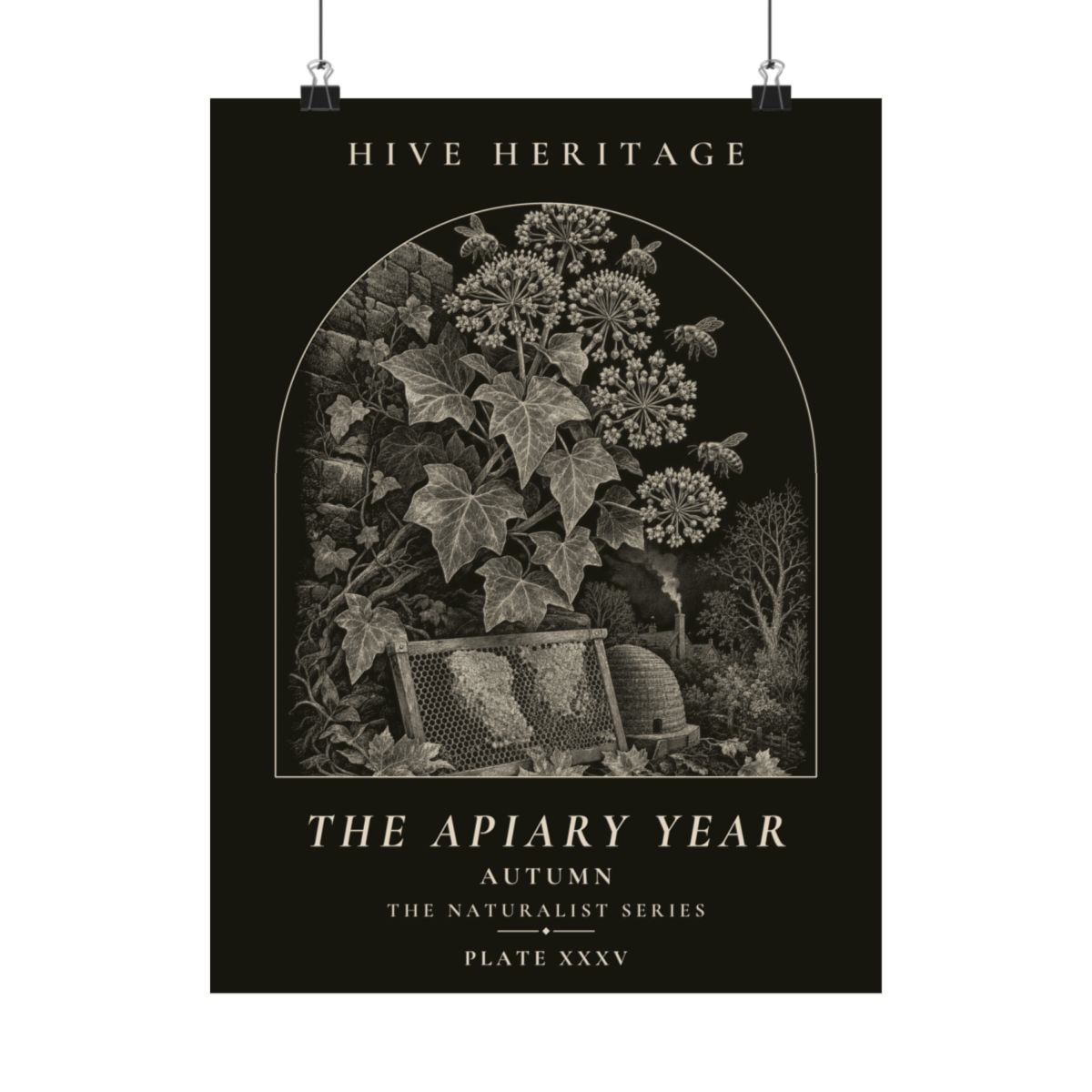
How a Honey Bee Colony Spends Autumn
Autumn is when a honey bee colony stops growing and starts preparing to survive. Here is what happens inside the hive, what still flowers, and what the beekeeper does, in the UK and in temperate North America.
Read more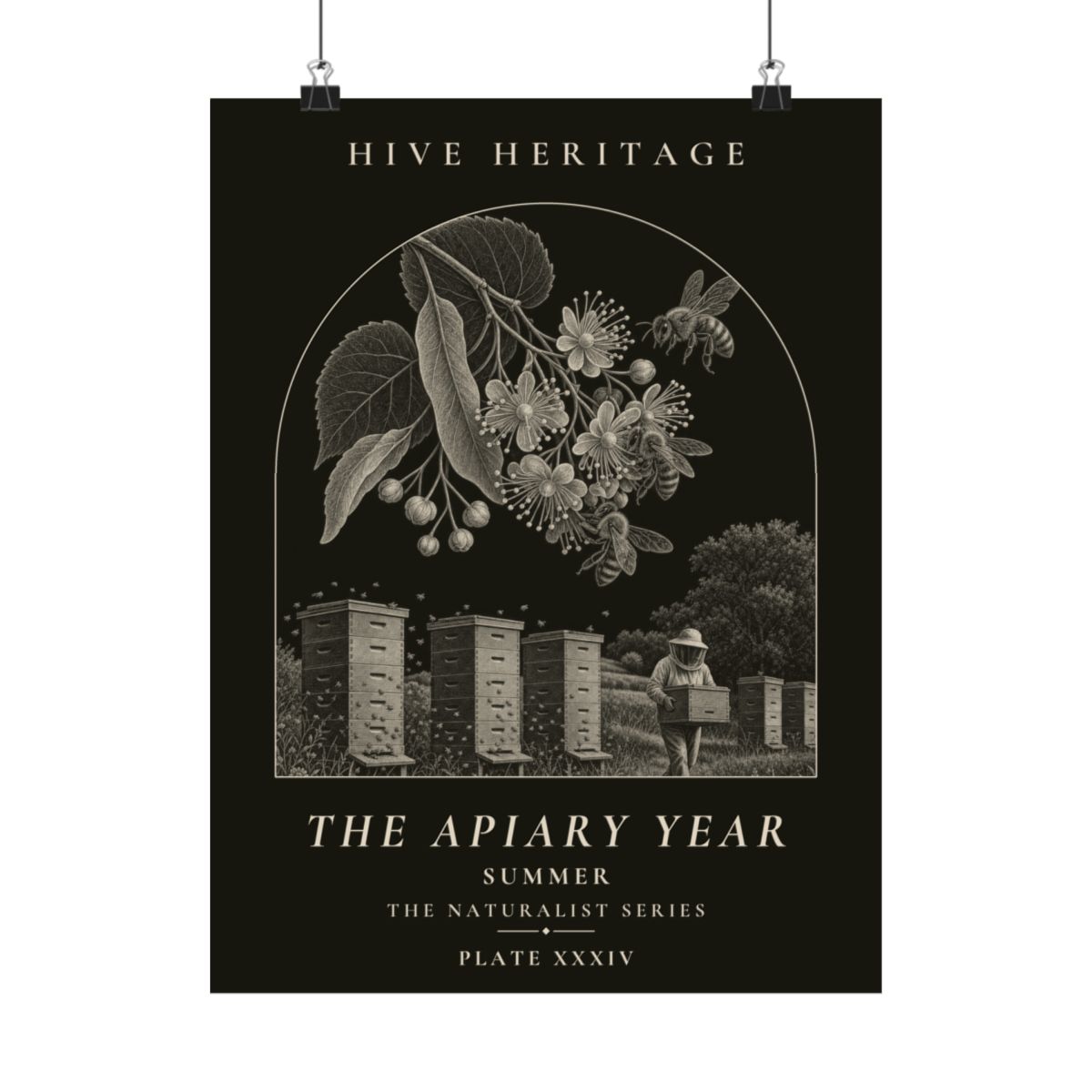
Summer in the Honey Bee’s Year
Summer is when a honey bee colony is at its largest and busiest. Here is what happens inside the hive, what the bees are working on, and what a beekeeper does, in the UK and in temperate North America.
Read more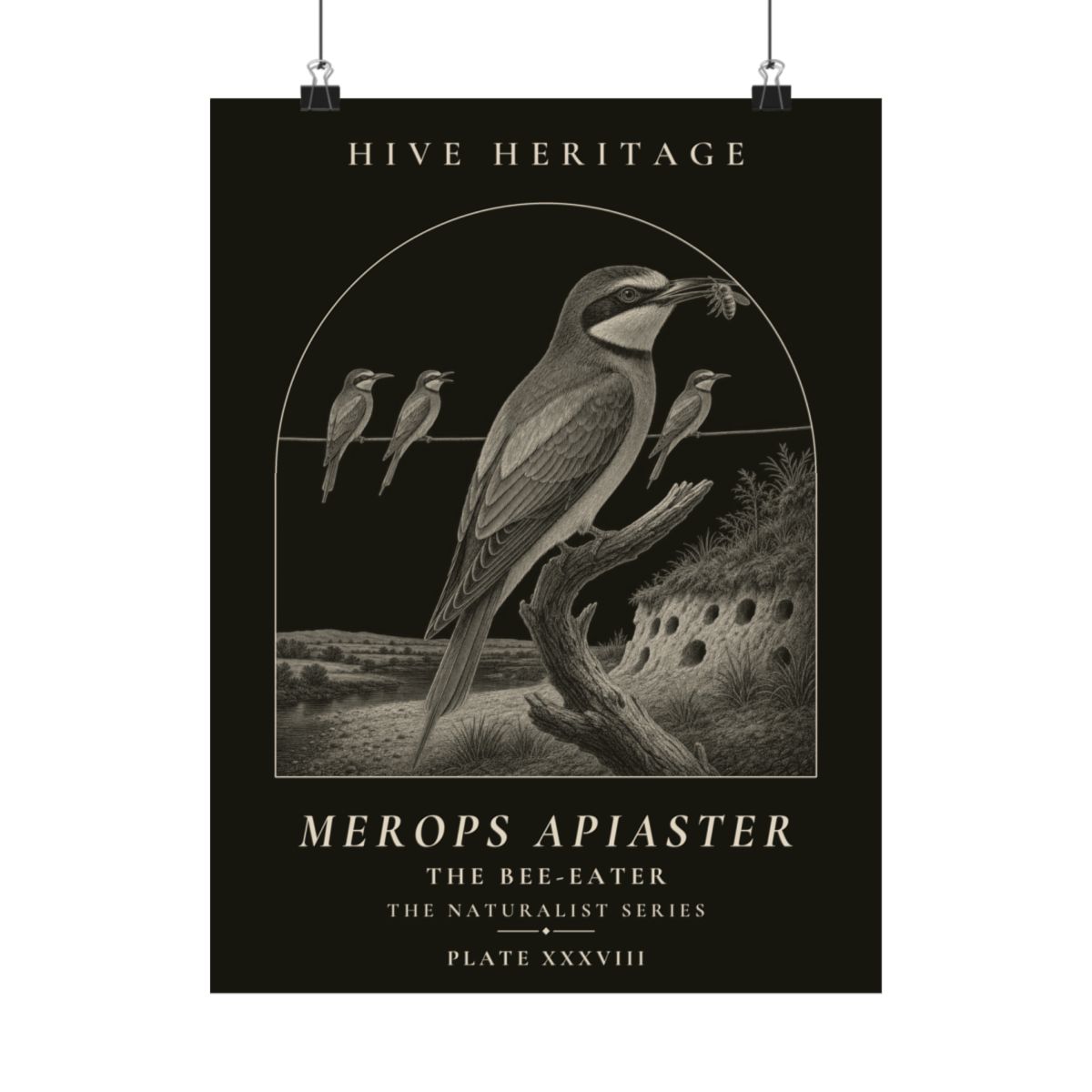
The Bee-Eater and the Honey Bee, Plainly Told
The bee-eater is a brightly coloured bird that catches bees and wasps in flight. Here is what it is, where it lives, what it takes from an apiary and how bees and beekeepers live alongside it.
Read more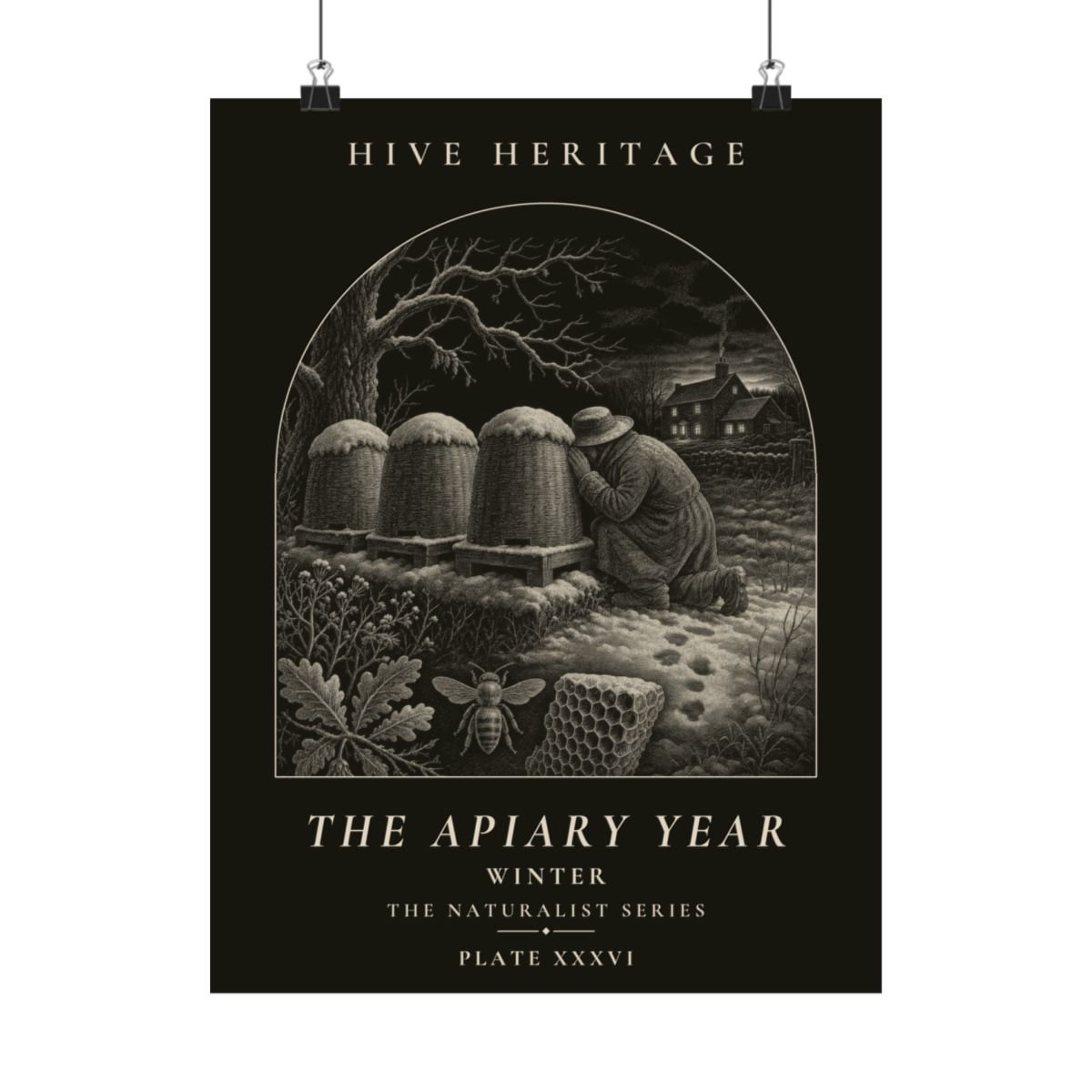
Winter in the Honey Bee’s Year
A honey bee colony does not hibernate. It huddles, shivers and waits for the first pollen, while the beekeeper mostly keeps out of the way. This is what winter really looks like in the UK and in temperate North America.
Read more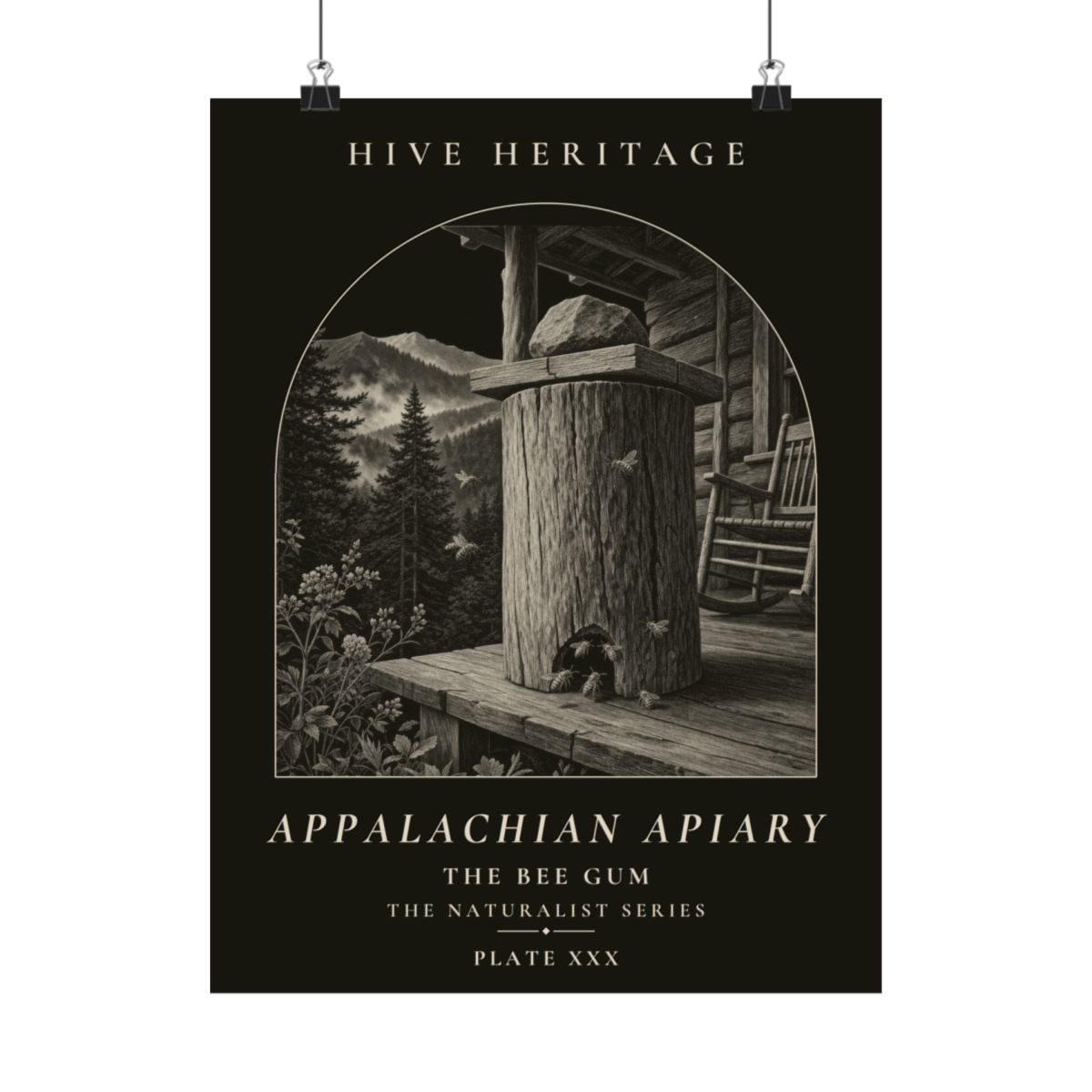
The Bee Gum and the Hollow Log Hives of the South
The bee gum was a length of hollow tree trunk stood on end and given to a swarm. Here is what is known about who used it, how it worked, and what it could not do.
Read more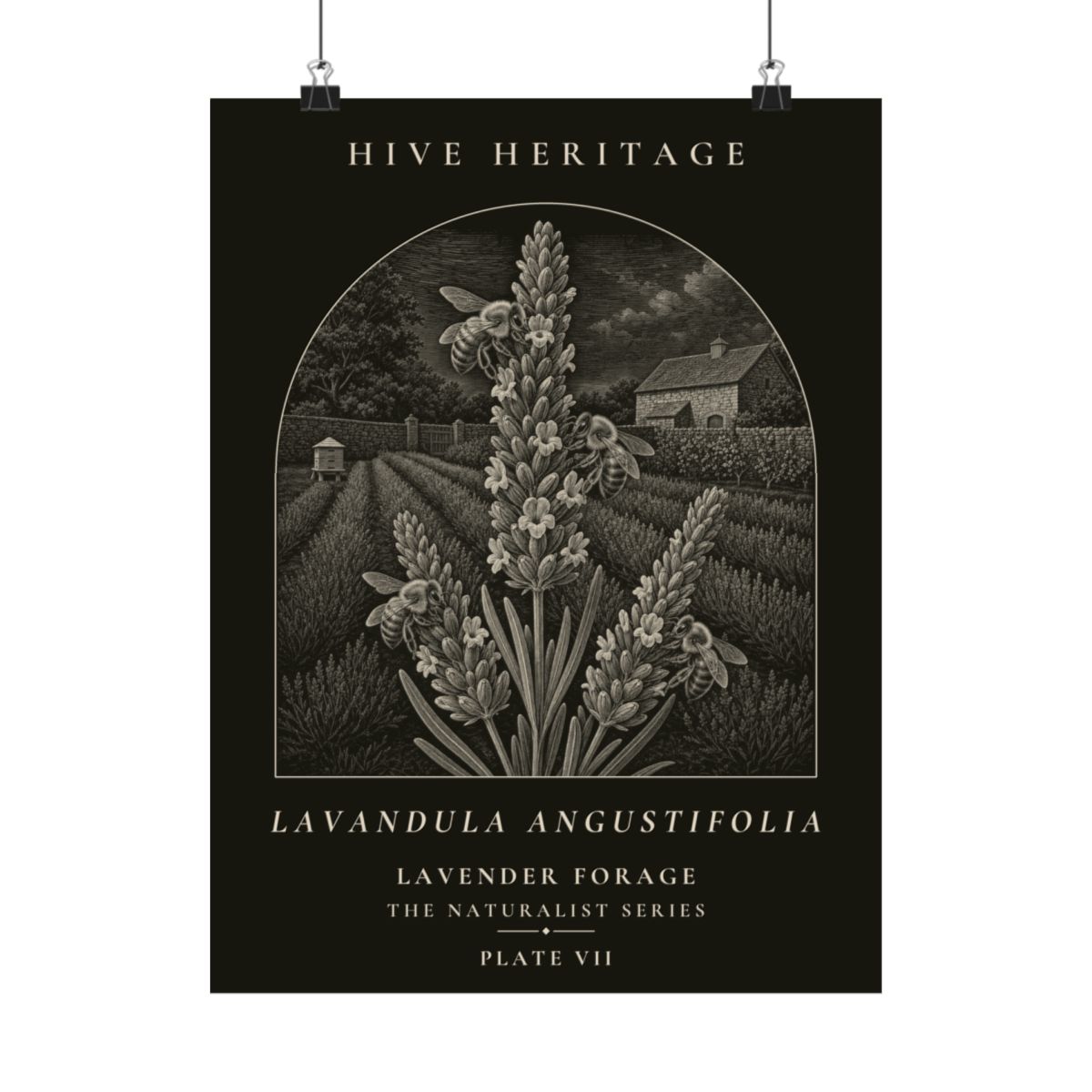
What Lavender Gives Bees, and Where the Honey Comes From
Lavender is a summer forage that bees work hard, chiefly for its nectar. Here is where it grows, when it flowers, and the beekeeping tradition of taking hives to the lavender.
Read more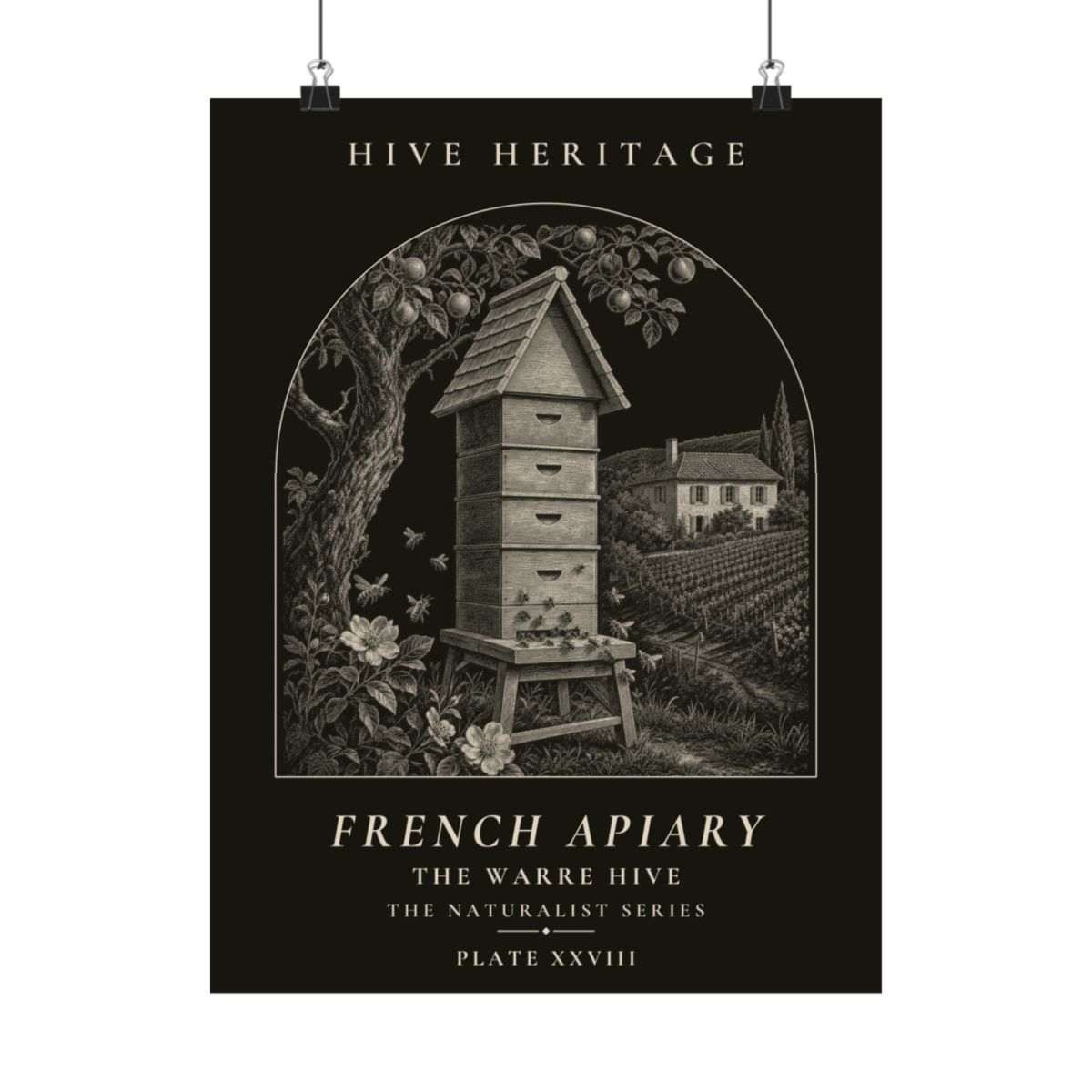
The Warré Hive and Abbé Warré’s People’s Hive
A French priest spent years testing hive designs and settled on a stack of small boxes that imitates a hollow tree. Here is what is documented about the Warré hive, how it works, and where it sits in the long story of beekeeping.
Read more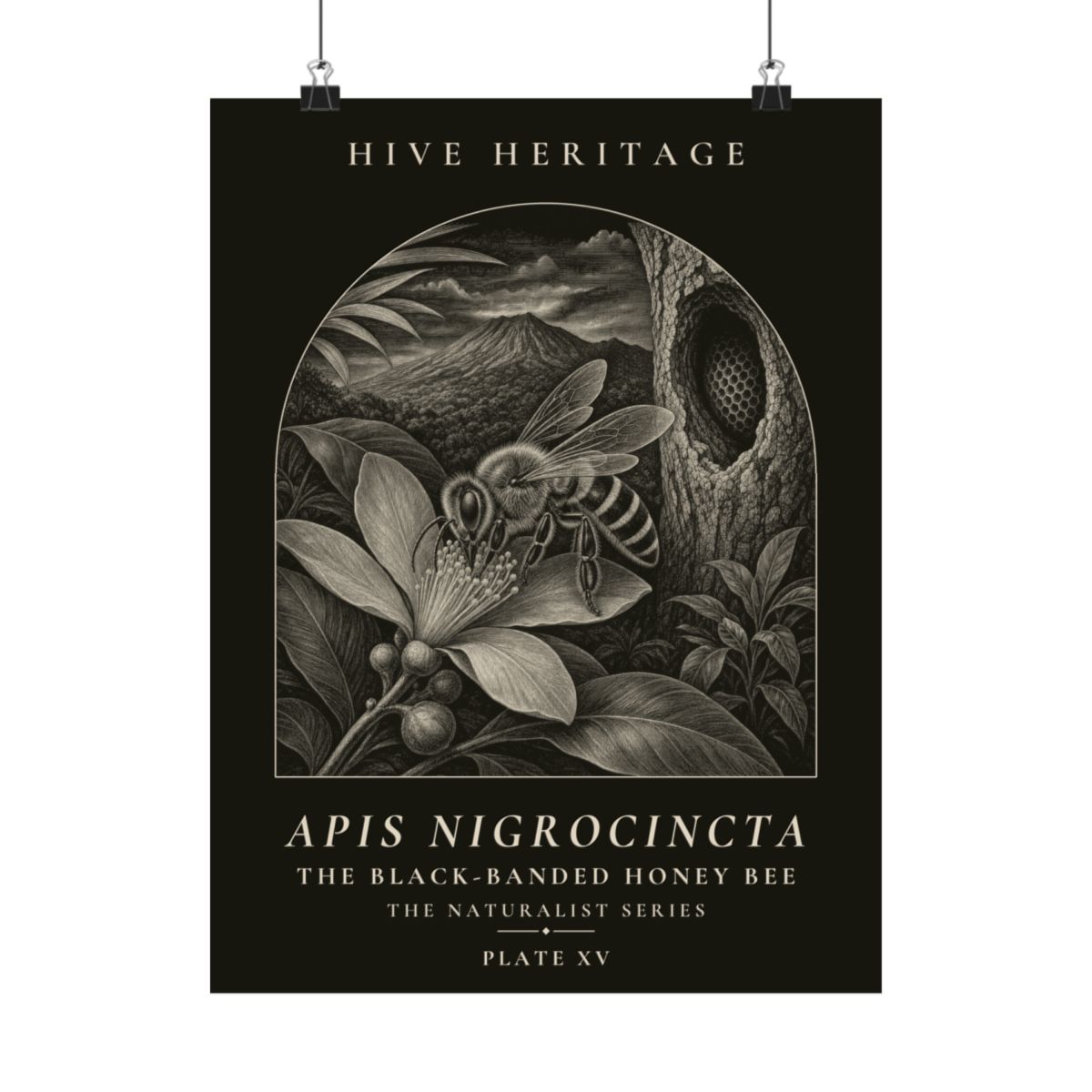
The Black-Banded Honey Bee of Sulawesi
Apis nigrocincta is a cavity-nesting honey bee of Sulawesi and a few nearby islands, close kin to the Asian honey bee. Here is what is known about it, and where the research runs thin.
Read more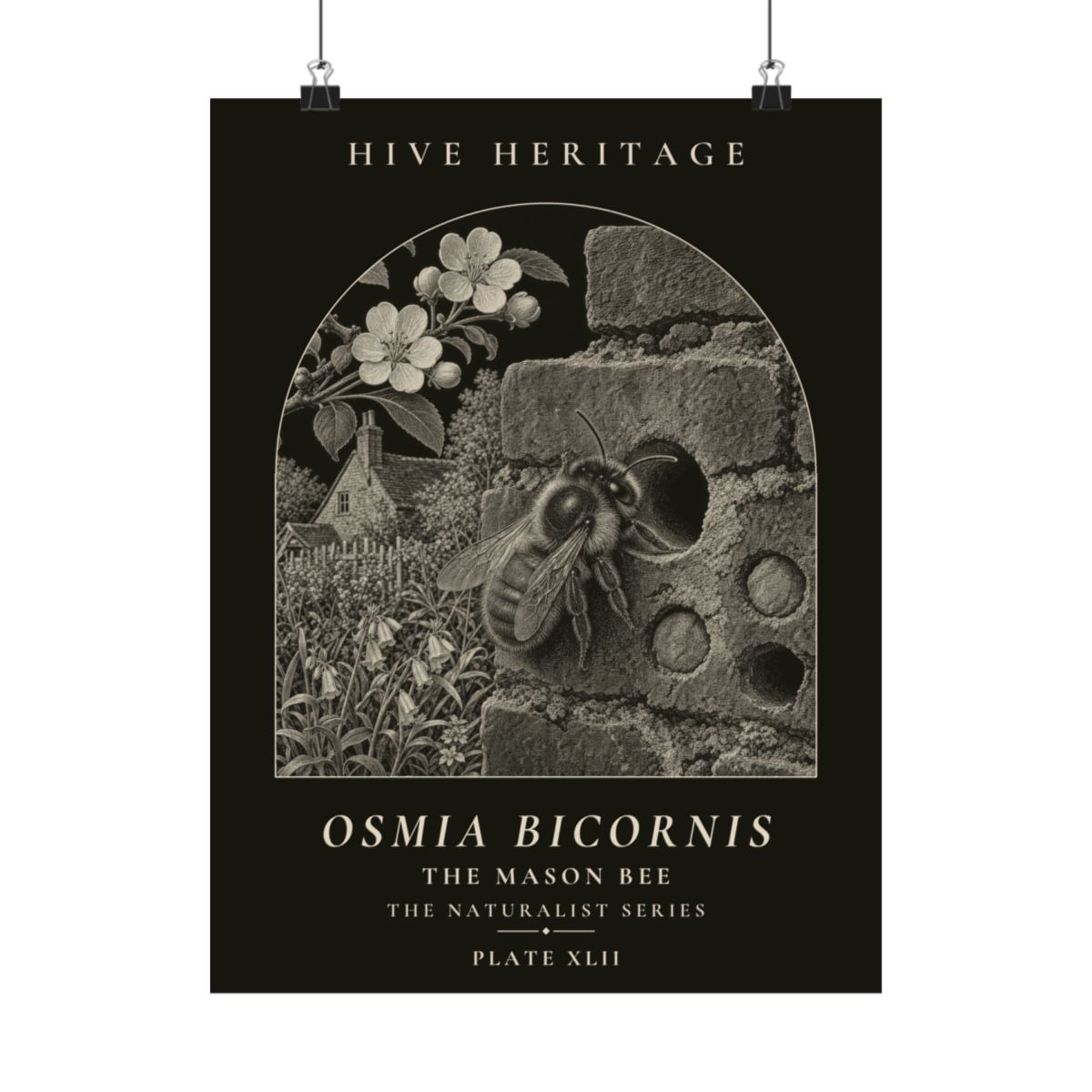
How the Mason Bee Nests, Seals and Pollinates
The mason bee has no hive, no queen and no honey. She builds every nest alone, in a hollow stem or a hole in old wood, and closes each cell with mud.
Read more