
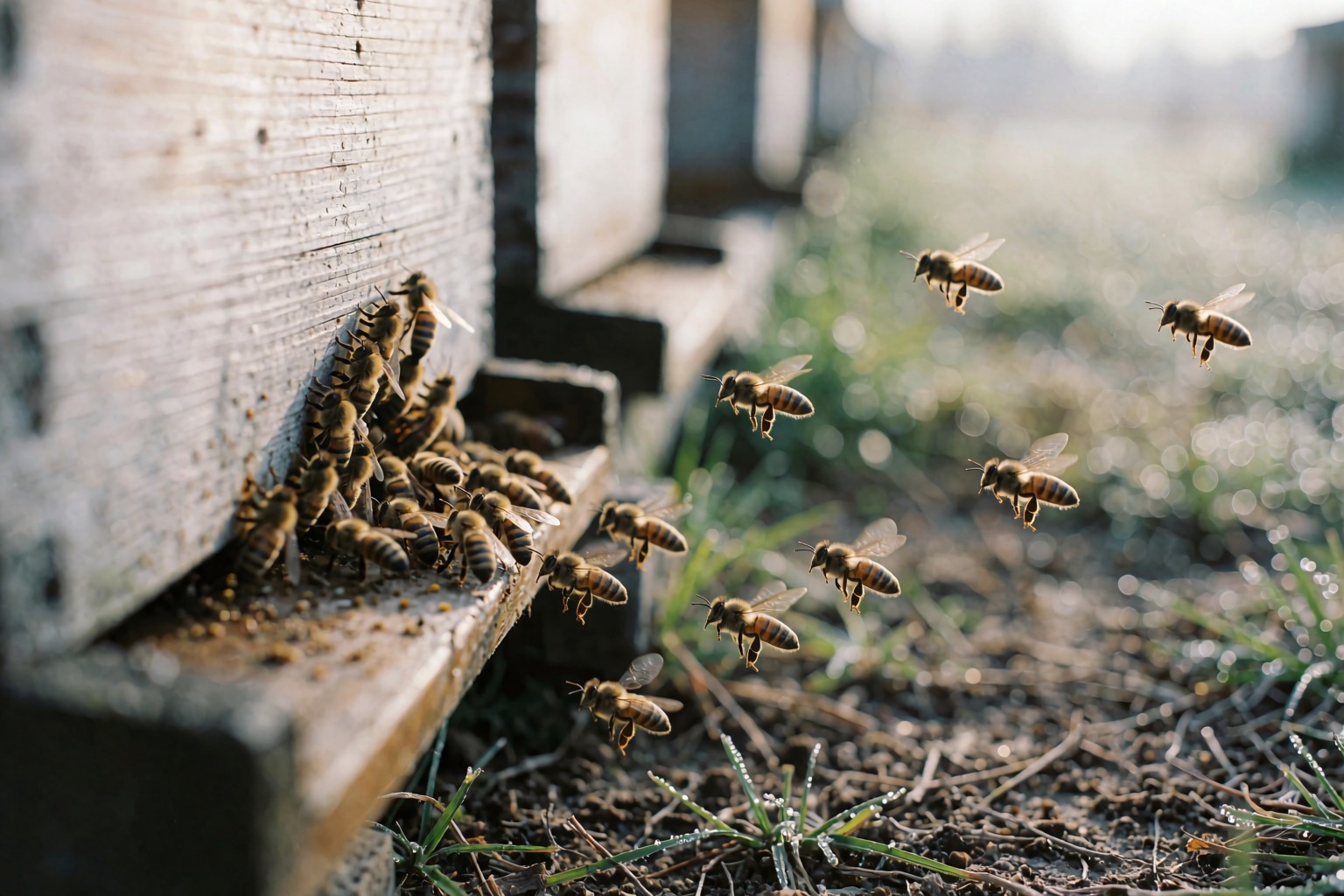
Spring is when a honey bee colony’s quiet winter work finally becomes visible. Here is what the bees are doing, what is in flower, and what a beekeeper does across the UK and temperate North America.
Read more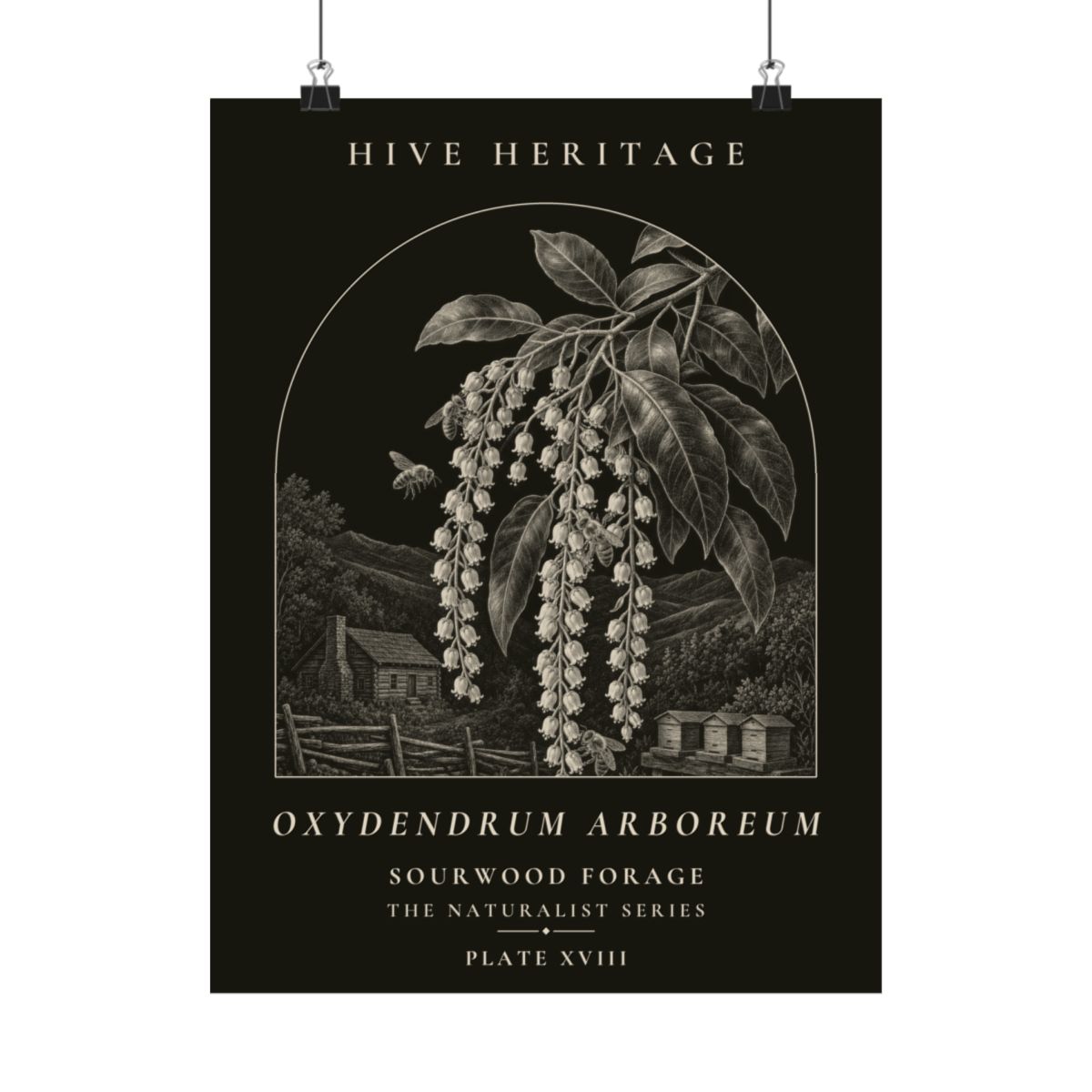
Sourwood, the Tree Behind Appalachia’s Famous Honey
Sourwood is a small tree of the eastern American hills that flowers in high summer, and its nectar gives one of the best known single-tree honeys in the world. Here is what it is, where it grows and what bees actually take from it.
Read more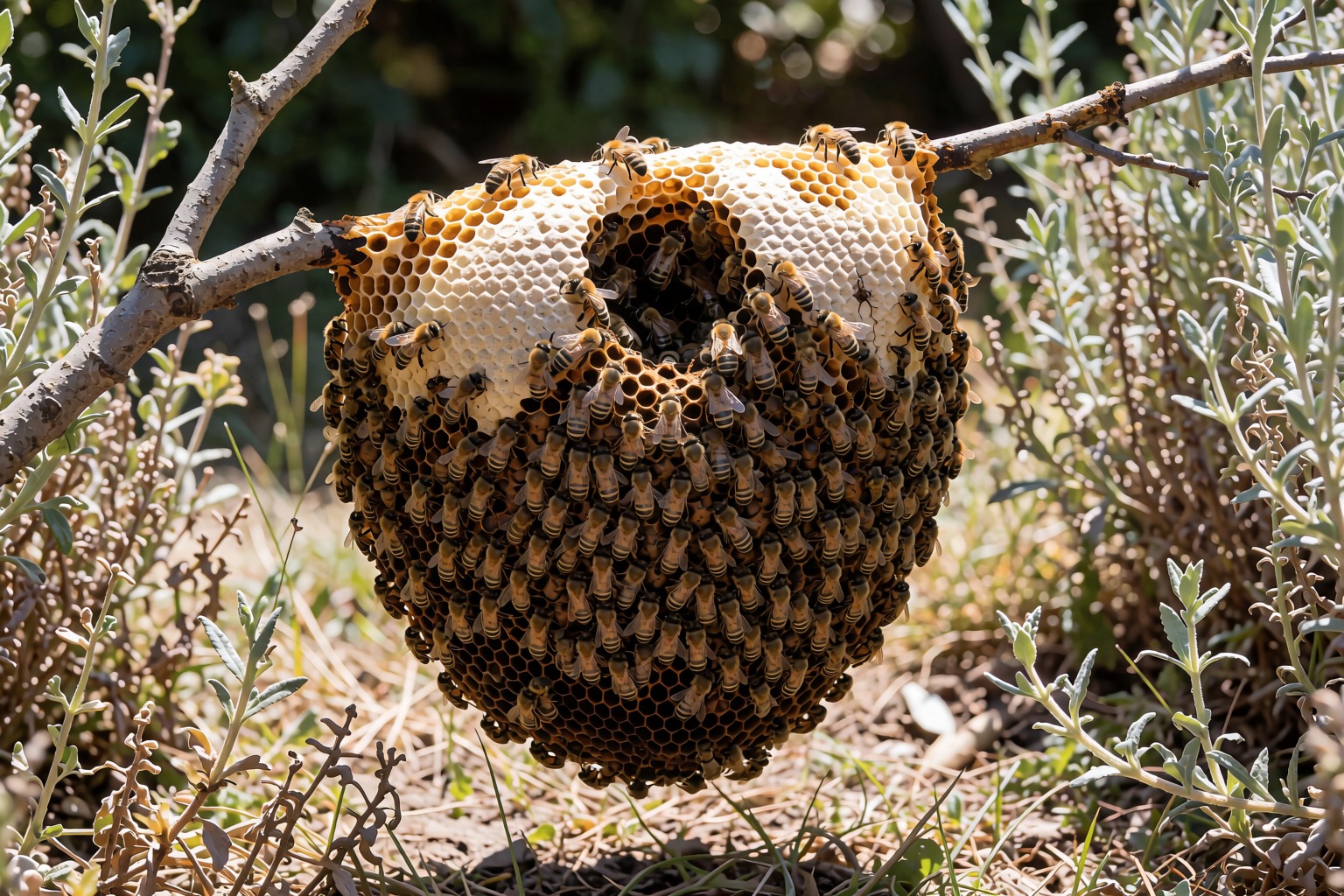
The Red Dwarf Honey Bee and Its Open-Air Nest
The red dwarf honey bee, Apis florea, builds a single comb in the open air and dances on a flat roof to point the way to food. Here is where it lives, how it differs from the western honey bee, and what it means to the people beside it.
Read more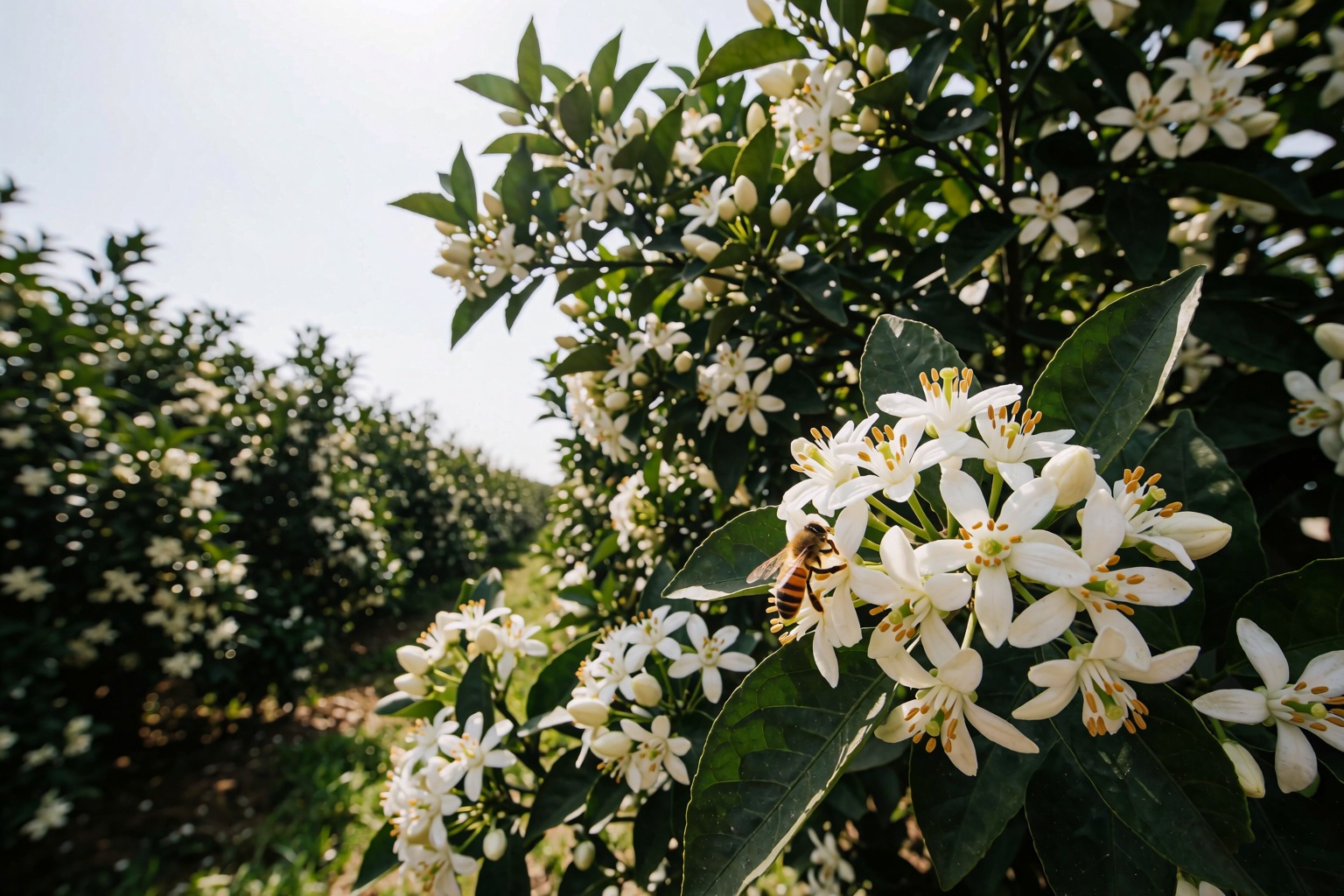
Orange Blossom Forage: Bees, Nectar and Citrus Groves
Orange blossom is one of the great nectar flowers of the warm Mediterranean and subtropical world. Here is where it grows, when it opens, what it gives a honey bee and how it earned its place in beekeeping.
Read more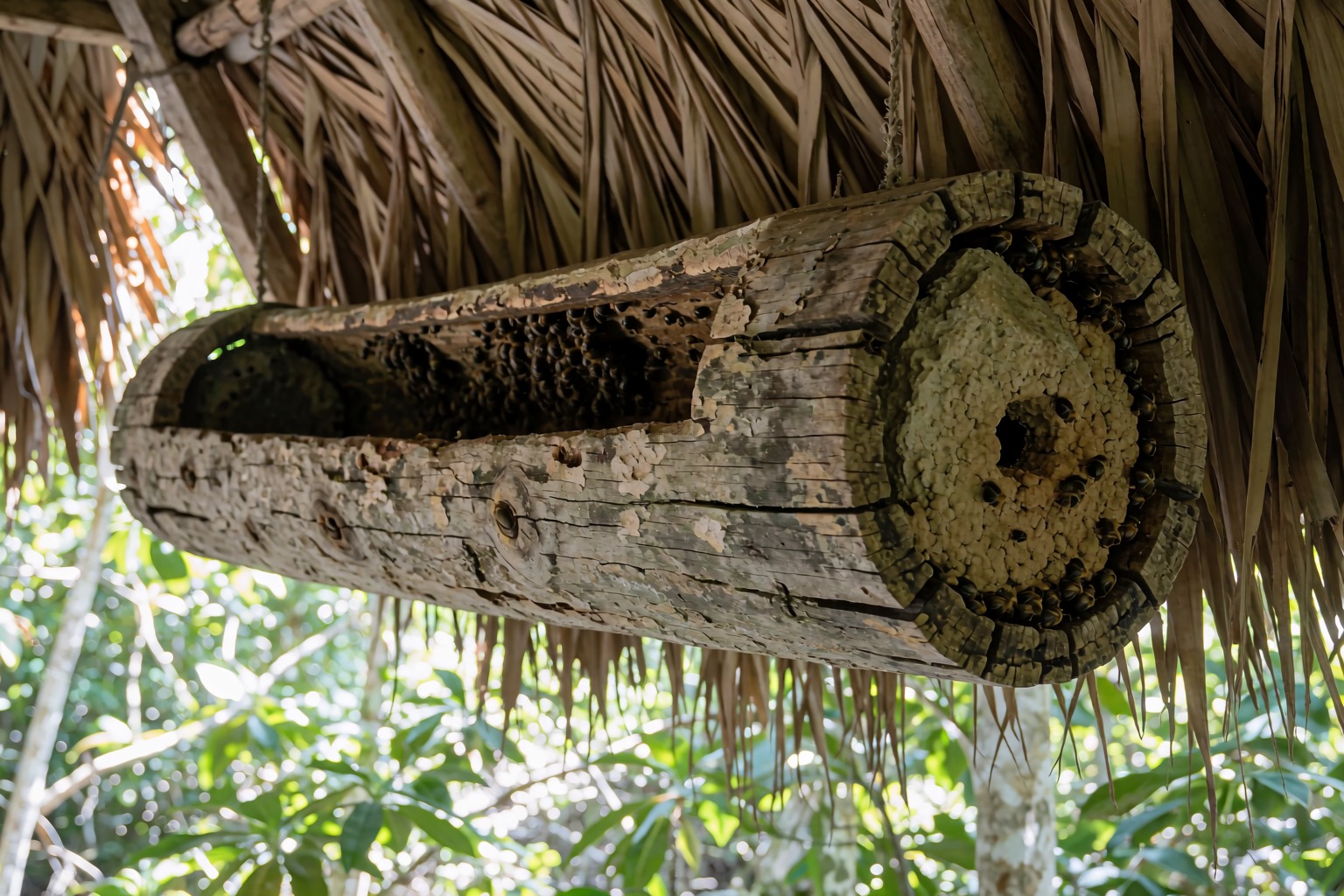
The Maya Bee: the Stingless Keepers of Yucatán
Melipona beecheii is a stingless bee that the Maya kept in hollow logs for centuries. Here is what we can say about its natural history, its long keeping, its decline and the people bringing it back.
Read more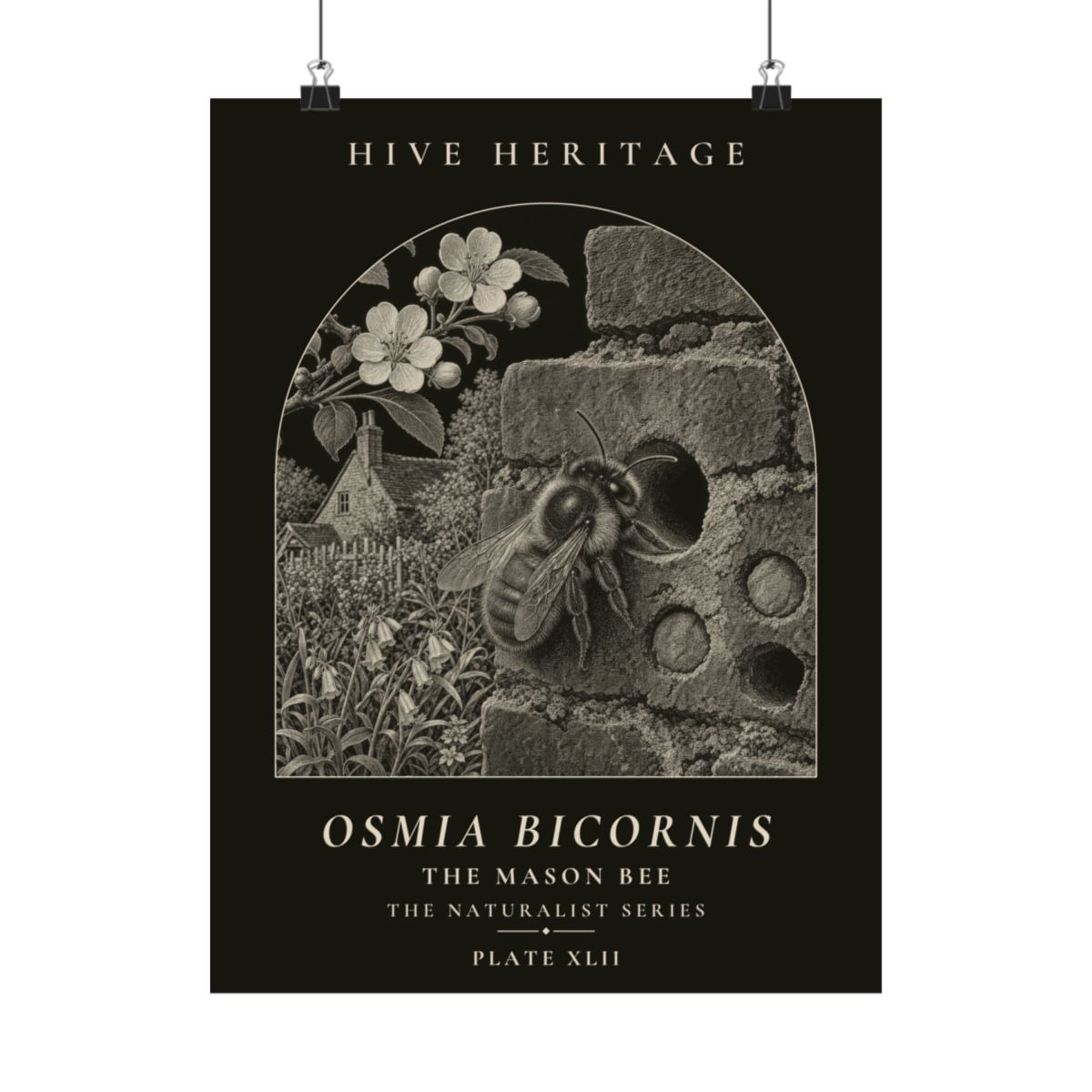
How the Mason Bee Nests, Seals and Pollinates
The mason bee has no hive, no queen and no honey. She builds every nest alone, in a hollow stem or a hole in old wood, and closes each cell with mud.
Read more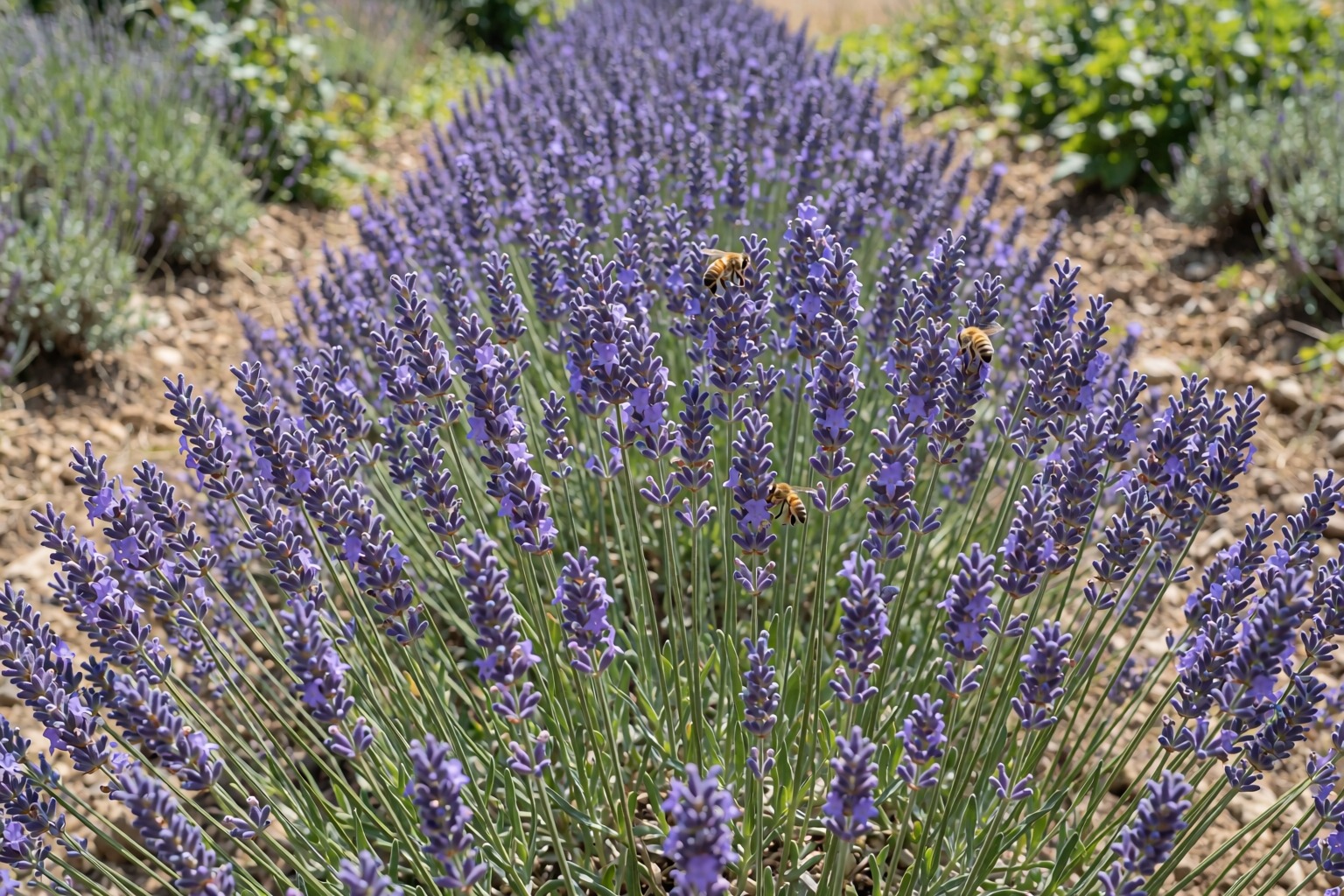
What Lavender Gives Bees, and Where the Honey Comes From
Lavender is a summer forage that bees work hard, chiefly for its nectar. Here is where it grows, when it flowers, and the beekeeping tradition of taking hives to the lavender.
Read more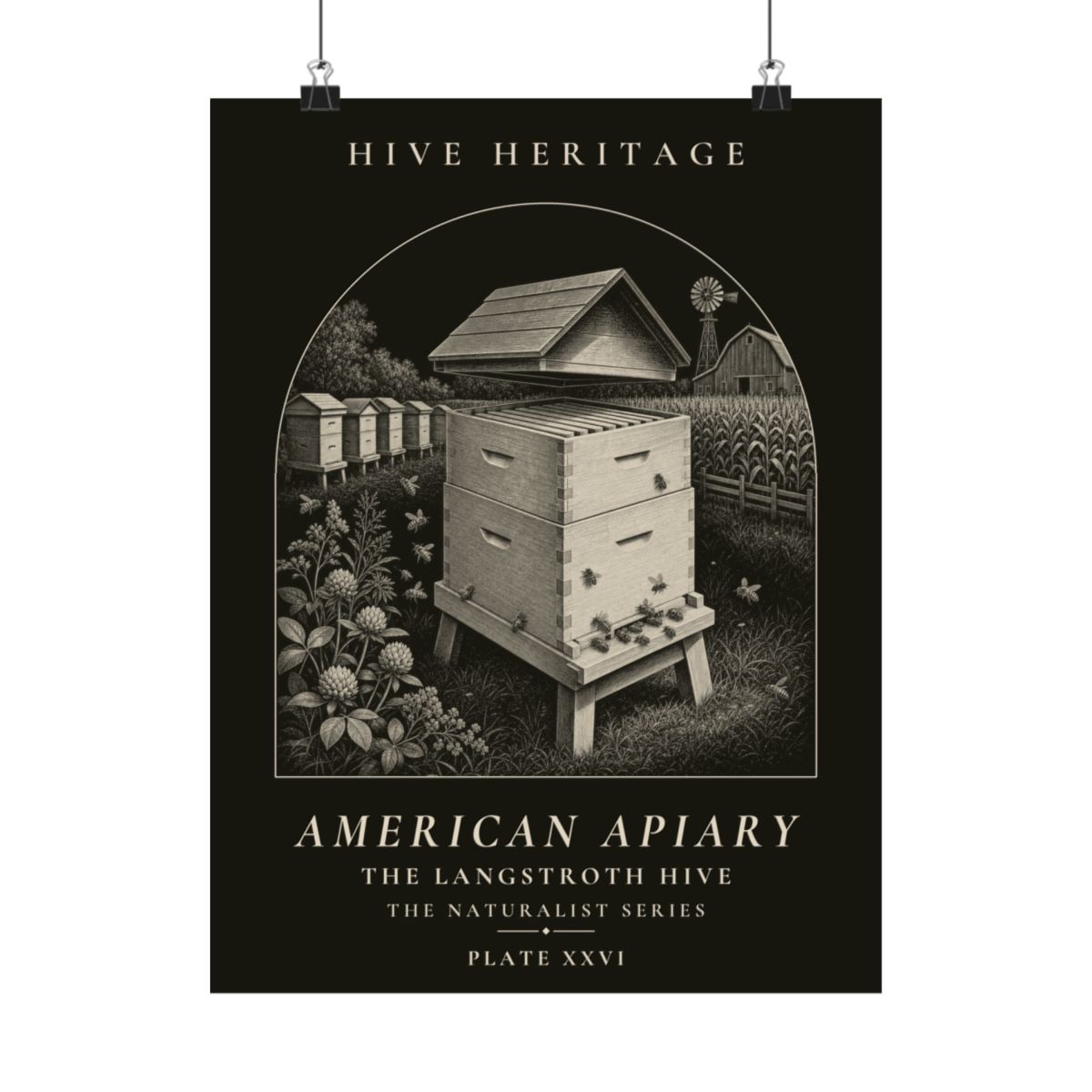
The Langstroth Hive and the Discovery of Bee Space
A Philadelphia-born clergyman noticed that bees leave a small, consistent gap and built a hive around it. Here is how the Langstroth hive works, who came before it, and what it changed.
Read more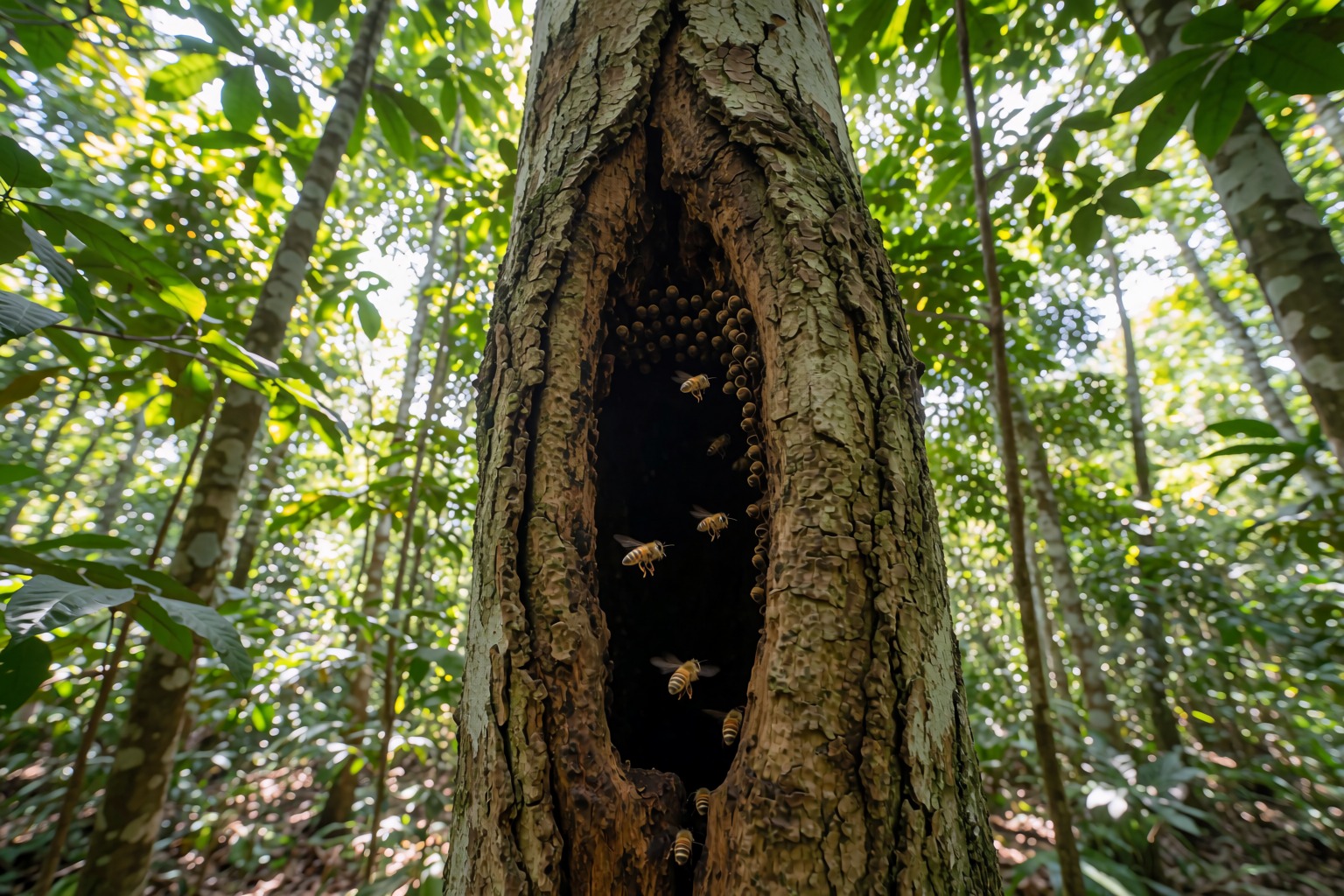
Koschevnikov’s Honey Bee and Its Borneo Forest Home
Koschevnikov’s honey bee, Apis koschevnikovi, is a reddish cavity-nesting bee of the forests of Borneo, Sumatra and the Malay Peninsula. Here is what is known about how it lives, how it differs from the western honey bee, and why beekeepers rarely meet it.
Read more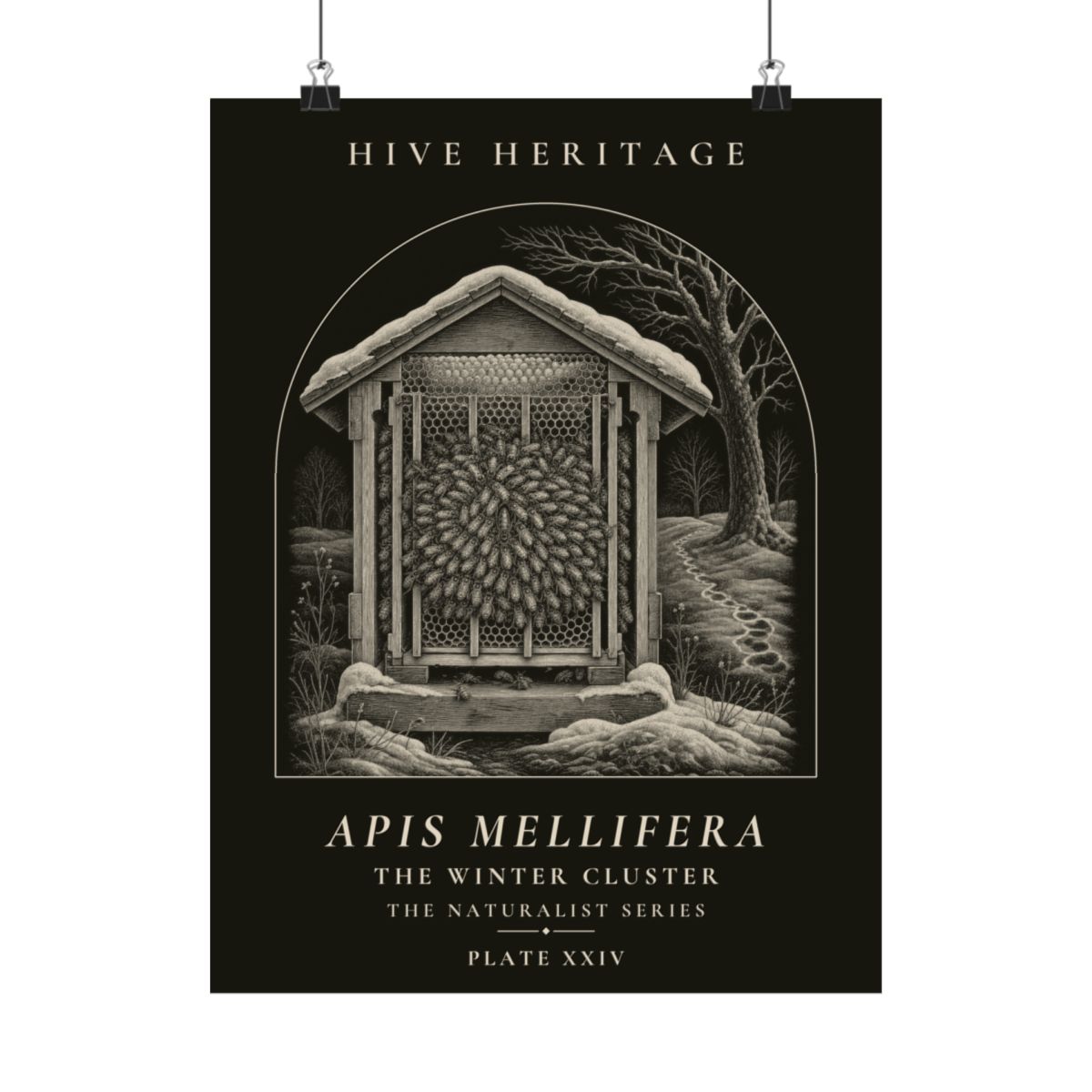
How Honey Bees Get Through Winter in a Cluster
A honey bee colony does not hibernate. It draws into a living, shivering ball and burns its own stores to stay warm, and a beekeeper reads the story from outside the box.
Read more