
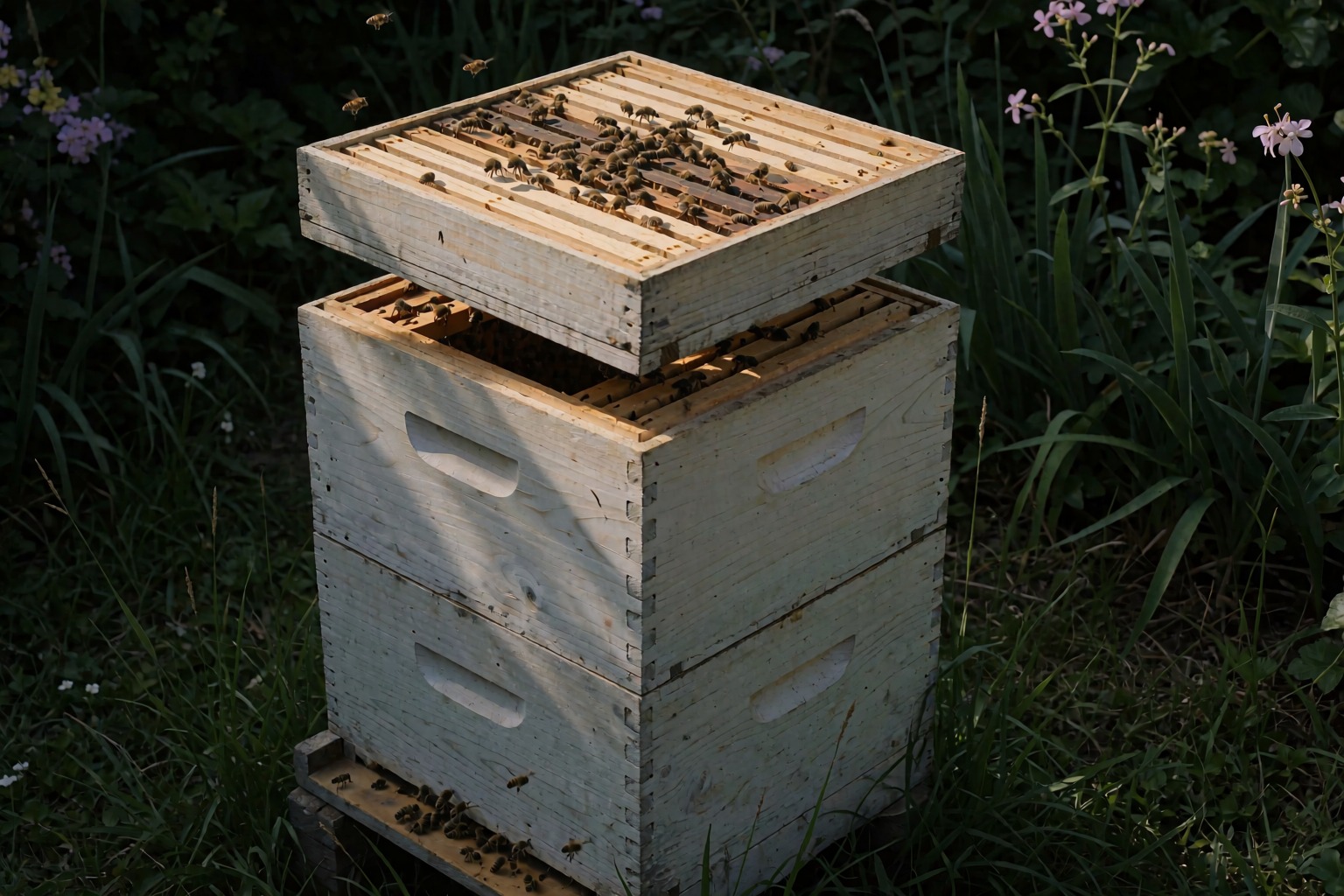
A French priest spent years testing hive designs and settled on a stack of small boxes that imitates a hollow tree. Here is what is documented about the Warré hive, how it works, and where it sits in the long story of beekeeping.
Read more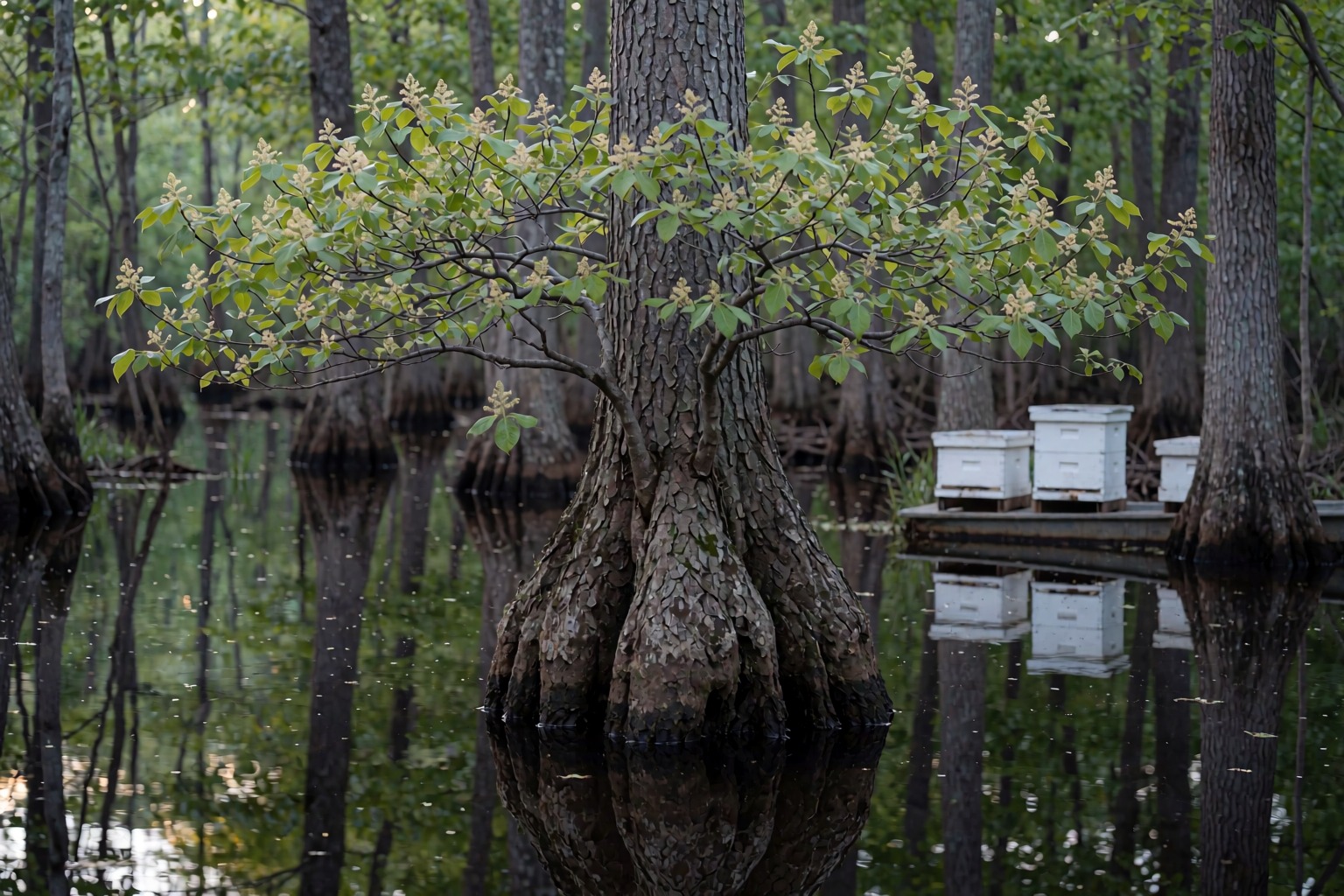
Tupelo Forage: The Swamp Tree Behind a Famous Honey
Tupelo is a modest swamp tree of the south-eastern United States, and its short spring flowering gives one of the most distinctive honeys beekeepers make. Here is where it grows, when it flowers, and how beekeepers have worked around it.
Read more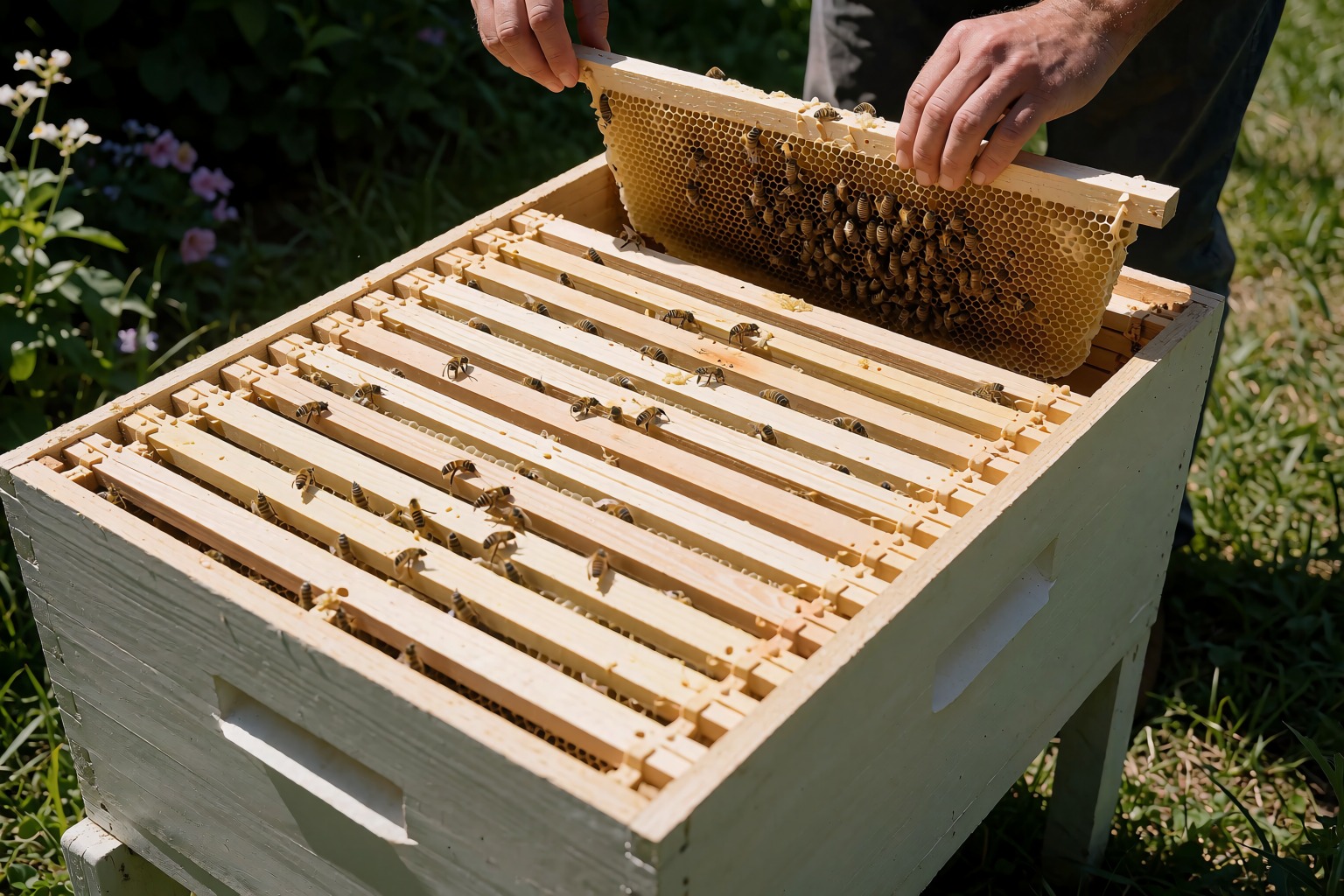
How the Top-Bar Hive Lets Bees Build Their Own Comb
A top-bar hive is a long box with a row of wooden bars across the top and no frames at all. Here is where the idea came from, how it works, and what it asks of the beekeeper.
Read more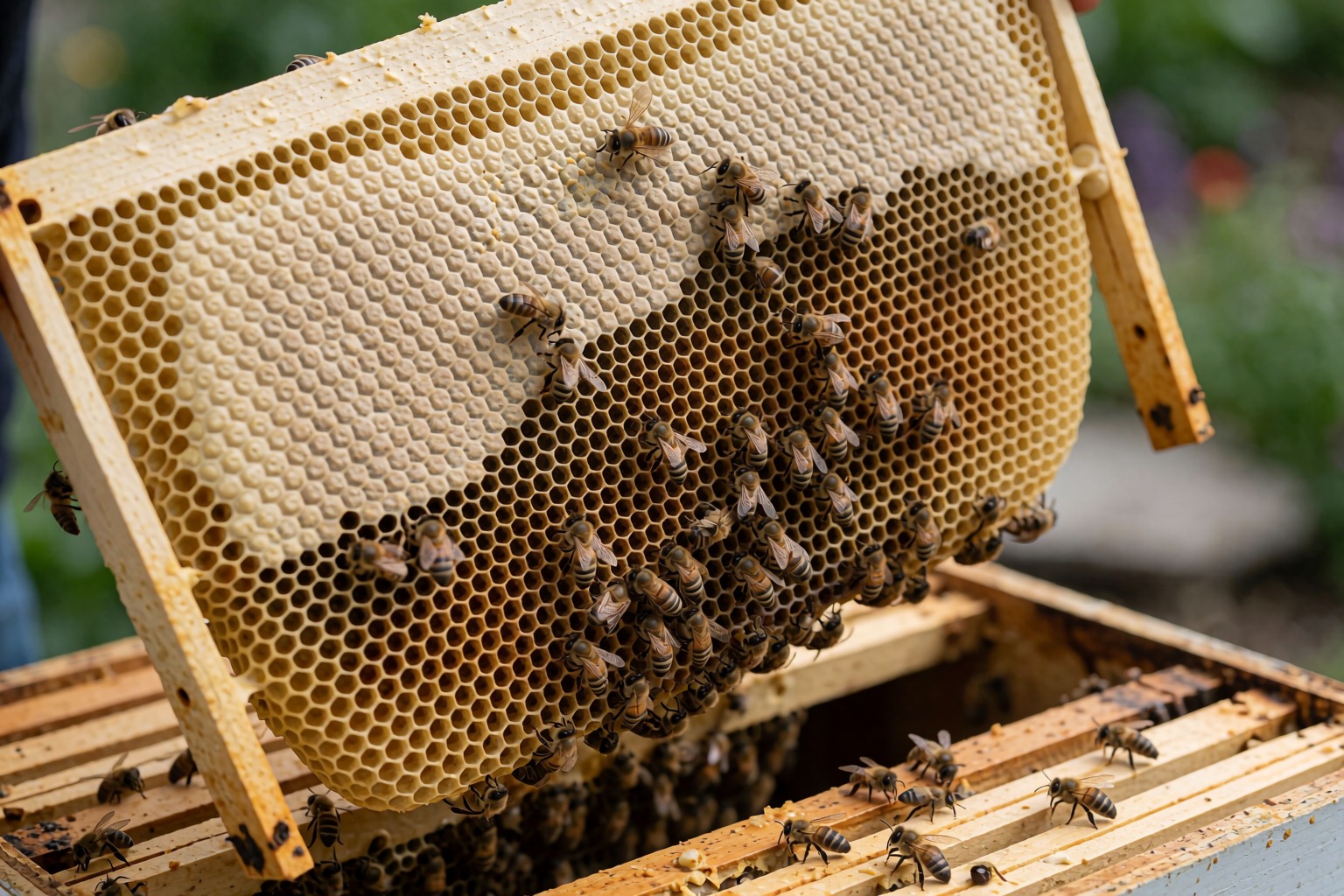
The Worker: the bee that runs the whole colony
Nearly every bee you see on a flower is a worker, and her life is a sequence of jobs that no other bee in the colony does. This is the natural history behind the plate.
Read more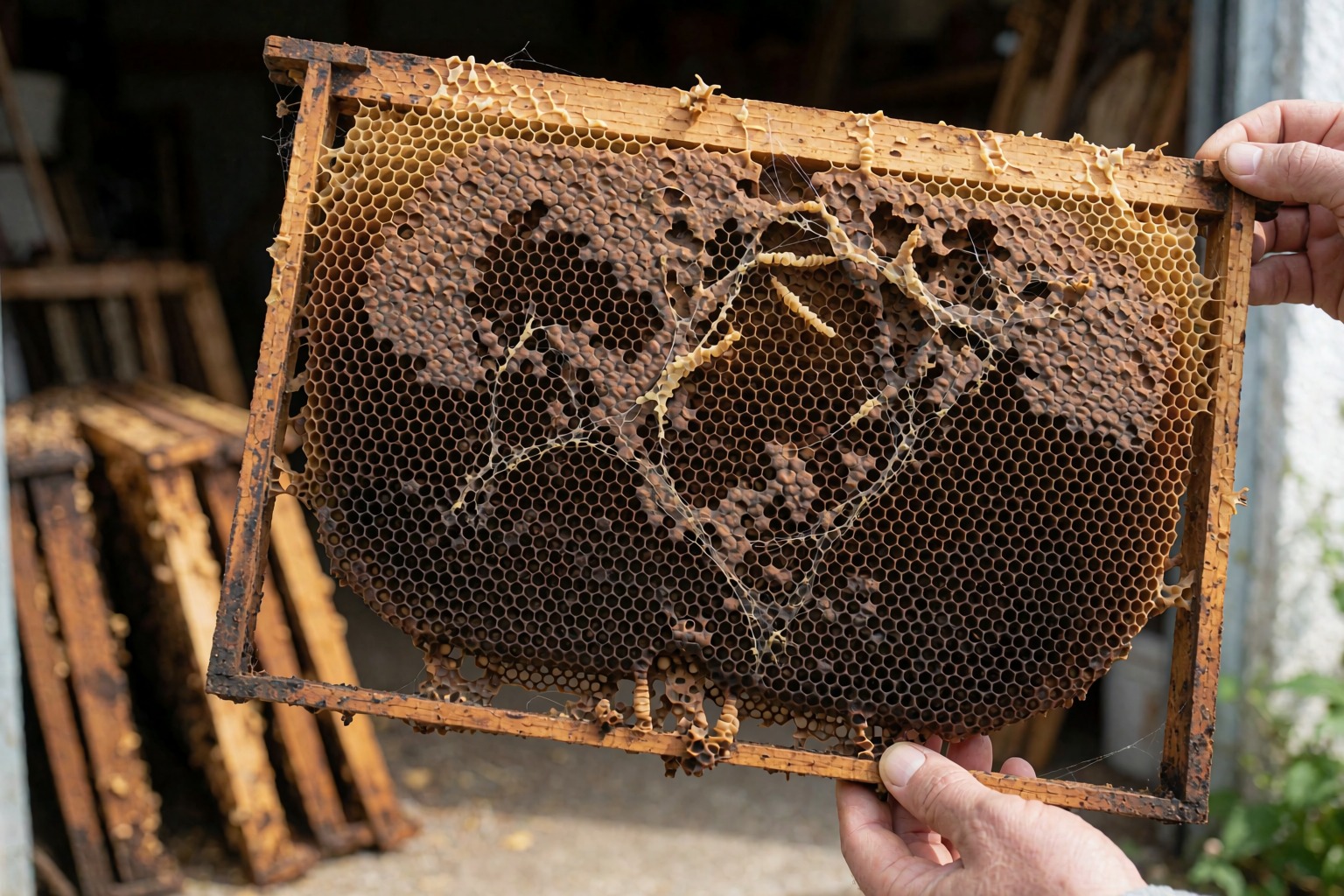
The Wax Moth and the Honey Bee Colony
The wax moth is often described as a villain of the hive, but its real story is quieter and more interesting. Here is what it is, where it lives, and how bees and beekeepers live alongside it.
Read more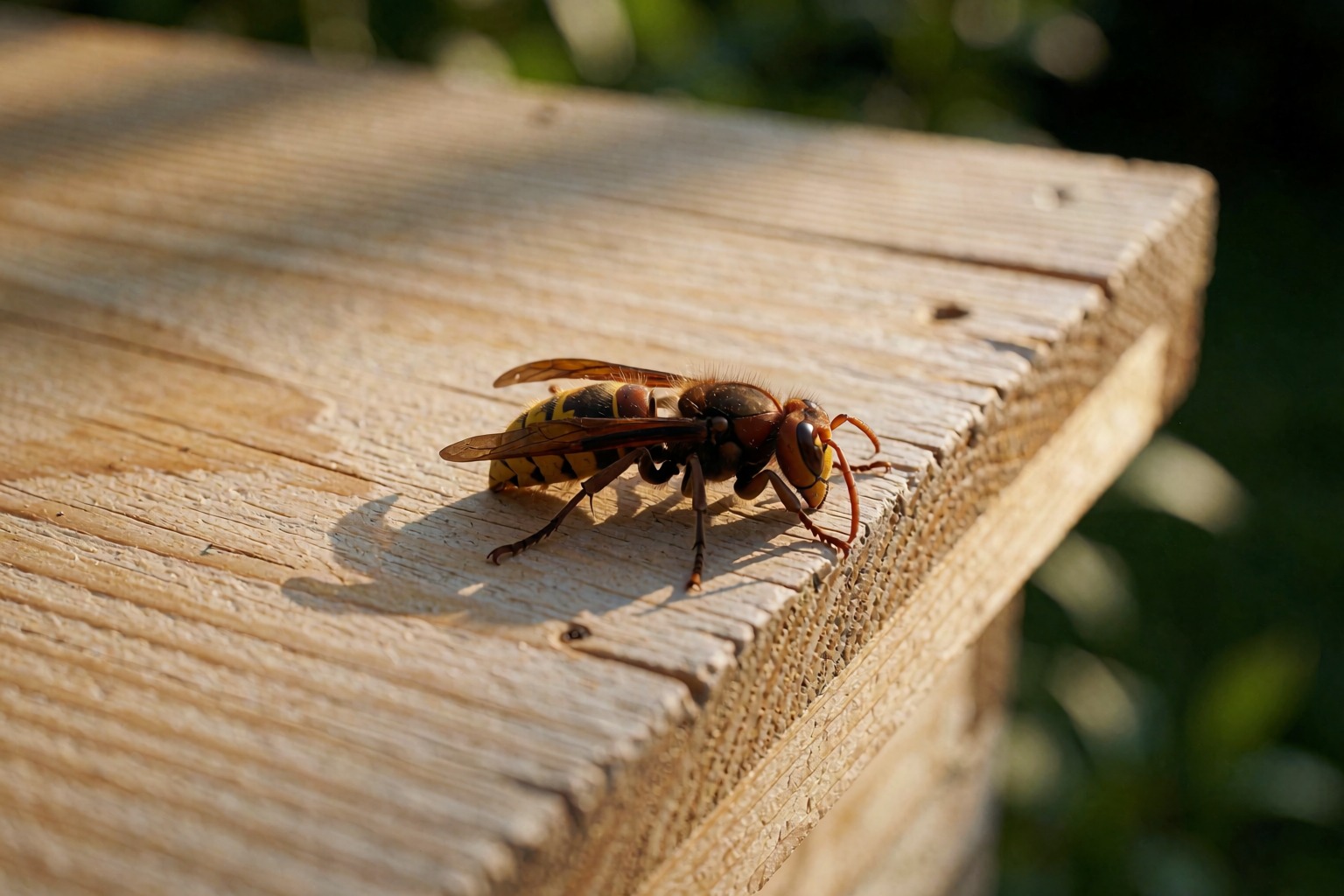
The Hornet, the Honey Bee and What Beekeepers Really See
Two very different insects share the name hornet in a beekeeper’s year: a big, mostly gentle native, and a smaller invader that hunts at the hive door. Here is what each really does, and how bees and beekeepers respond.
Read more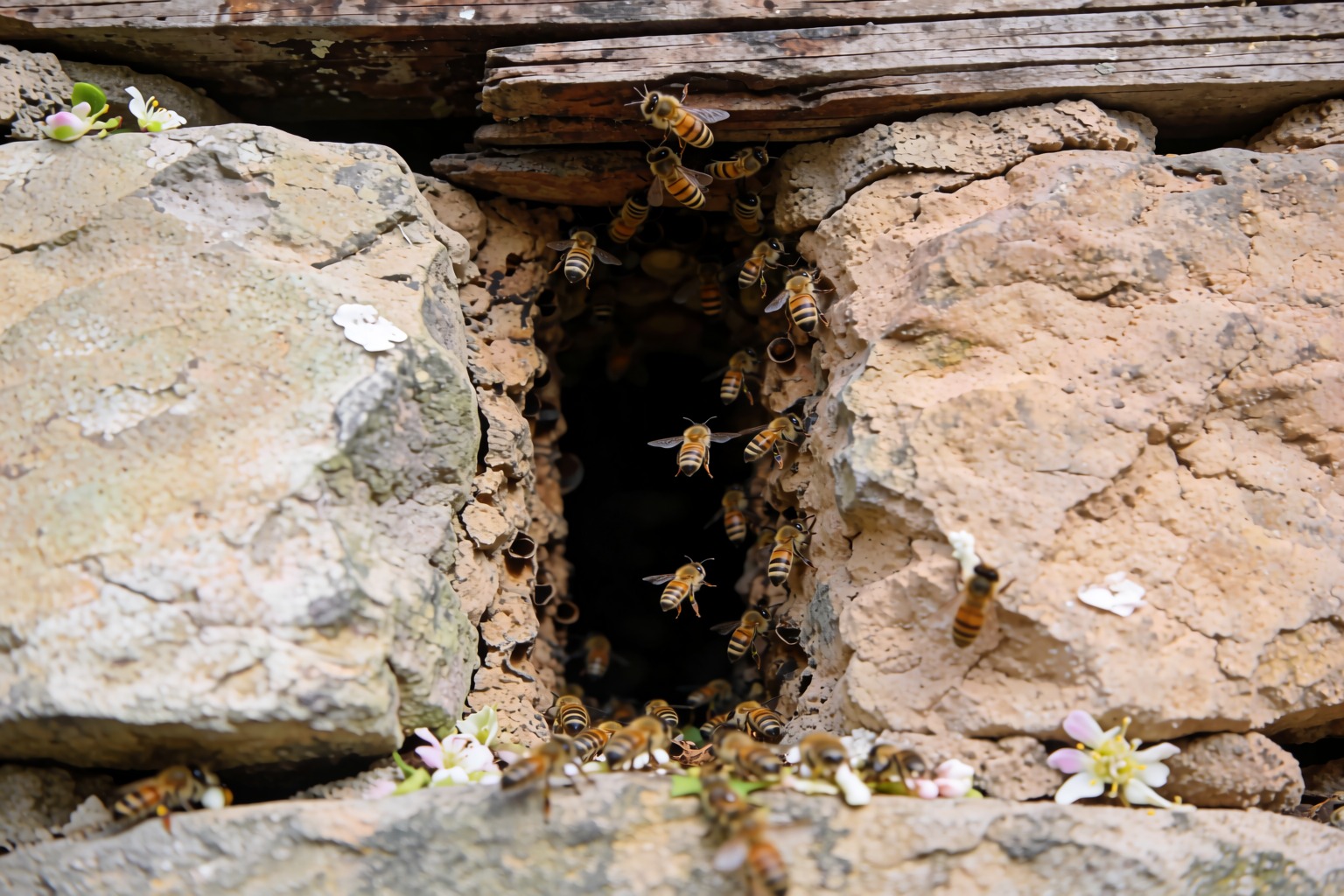
The Eastern Honey Bee and How It Lives
Apis cerana is the honey bee of Asia, a cavity nester with its own ways of building, dancing and defending. Here is its natural history, and how it differs from the western honey bee we know best.
Read more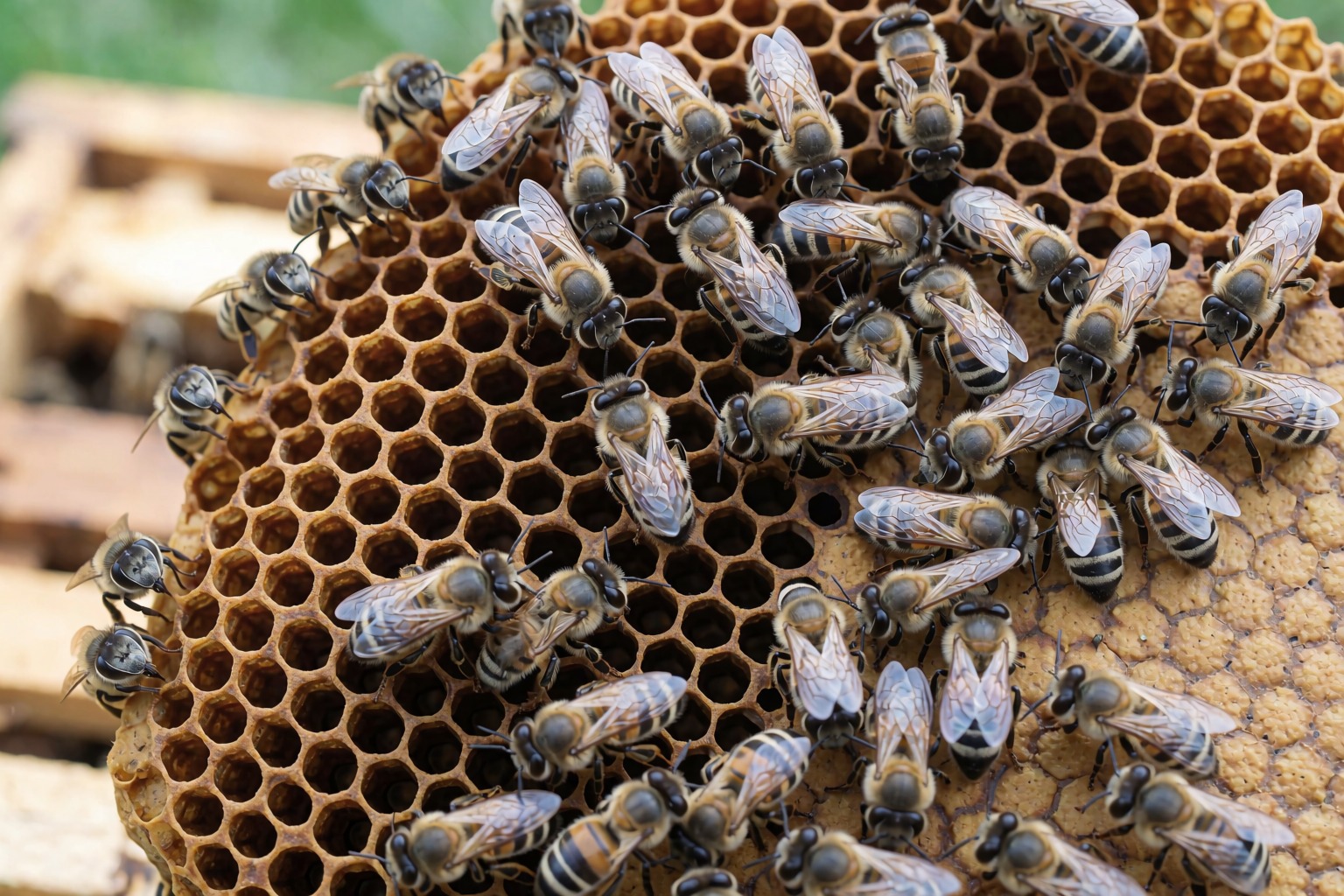
The Drone: The Honey Bee Colony’s Male, Explained
The drone has a mother but no father, cannot sting, and does one job for the whole colony. Here is what beekeepers have learned about him, from his odd beginnings to his autumn eviction.
Read more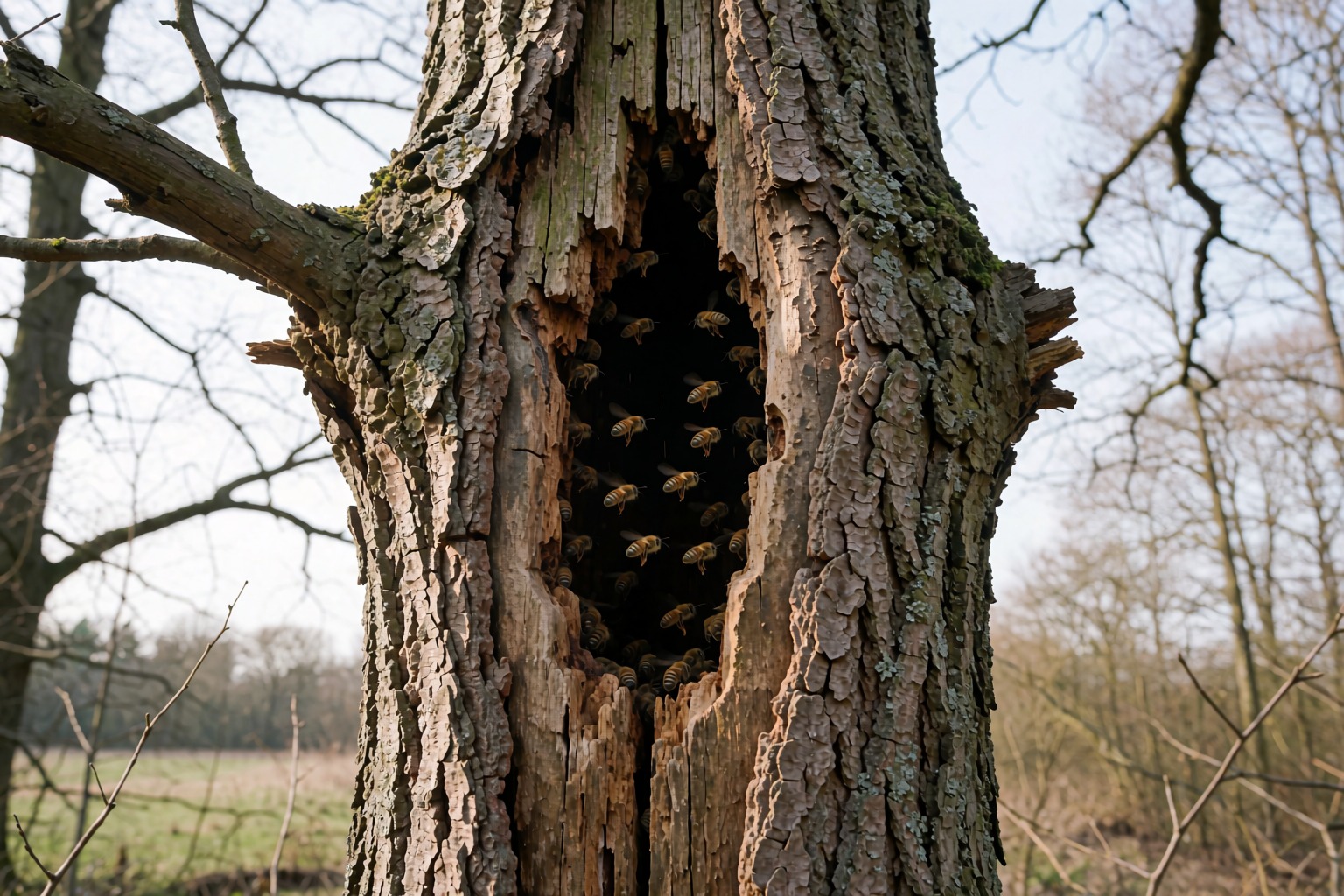
The Bee Tree: Where Honey Bees Lived Before Hives
Long before anyone built a hive, honey bees lived in hollow trees, and people learned to find them, climb to them and, in parts of Europe, manage them. This is the natural history behind the plate.
Read more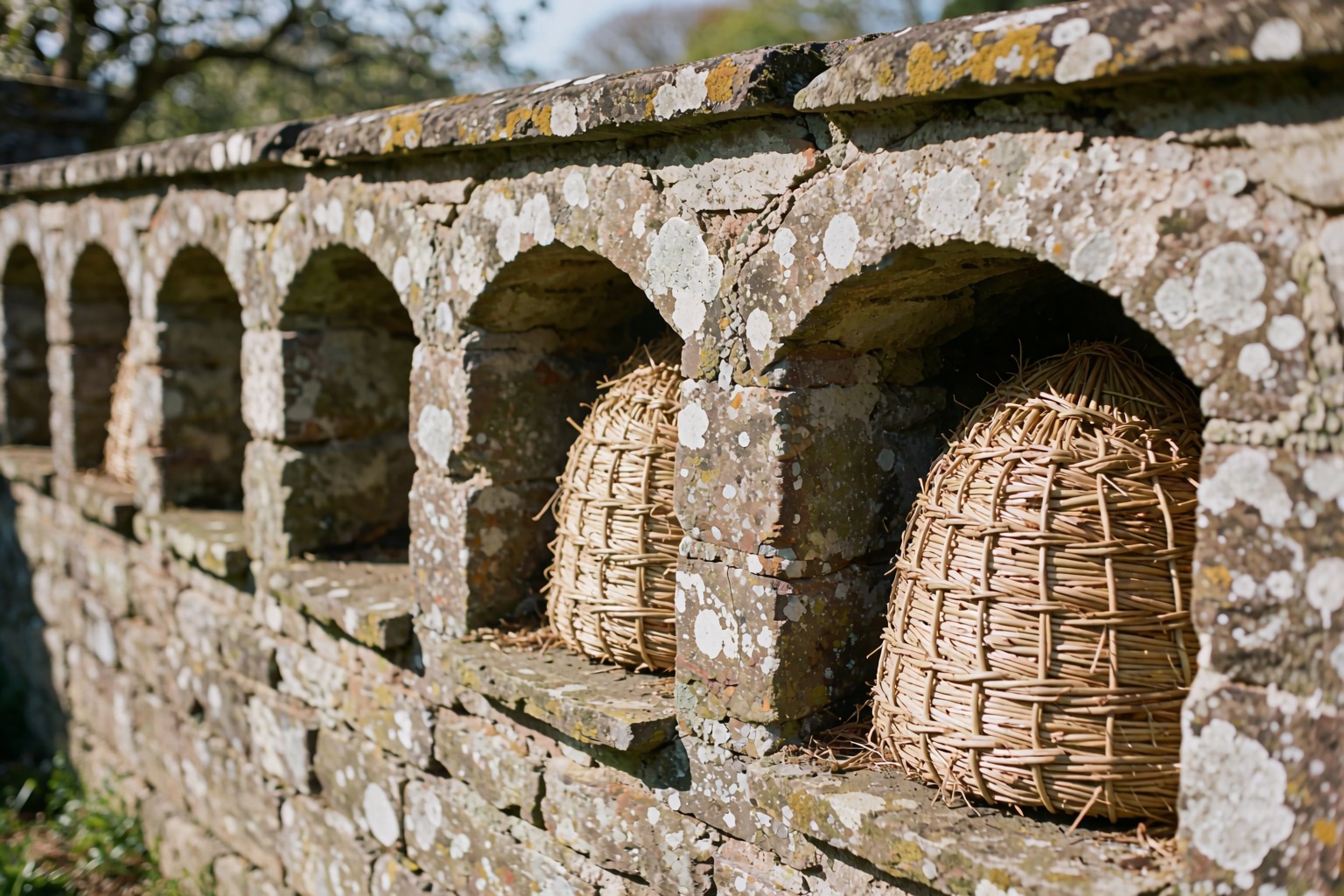
The Bee Boles: Wall Recesses Built for Straw Skeps
Bee boles are the small arched recesses left in old garden walls, built to shelter straw skeps. Here is what they were for, how they worked, and why we can be less certain about their dates than their charm suggests.
Read more